

Multi-Sensory Wedding: 15 Immersive Ideas
Looking for ways to make your wedding unforgettable? These Multi-Sensory Wedding ideas will help you create a celebration that delights sight, sound, touch, and emotion all at once.
When I first imagined our wedding, I pictured elegant tablescapes, flowing dresses, and picture-perfect lighting.
But as planning began, I realized something was missing: a sense of presence and emotional connection for our guests.
That’s how I discovered the concept of a Multi-Sensory Wedding, which goes beyond visuals to engage sound, scent, touch, and movement.
It’s incredible how small details, like the texture of a tablecloth or the rhythm of background music, can create lasting memories.
In this guide, I’ll share 15 practical Multi-Sensory Wedding ideas to make your celebration immersive, memorable, and heartfelt.
How Multi-Sensory Design Shapes Emotional Connection
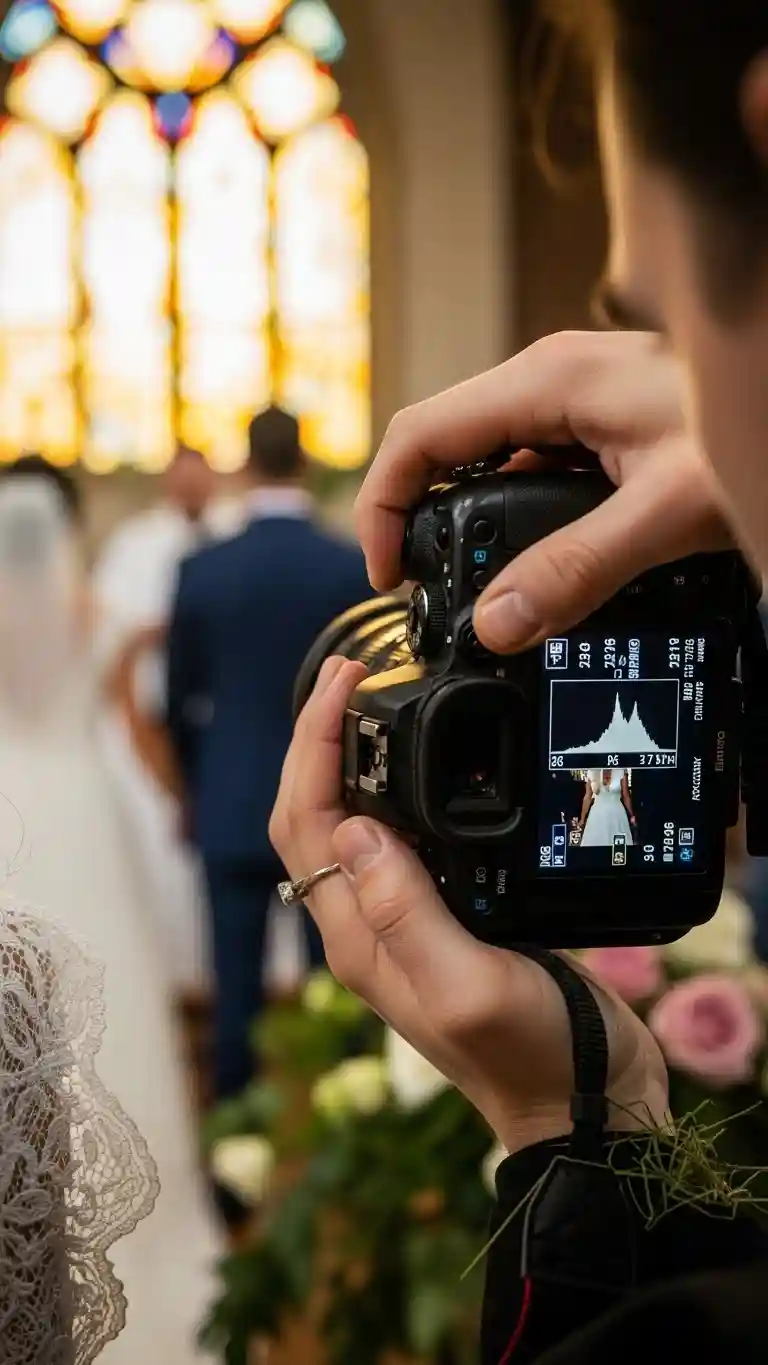
Every wedding moment carries emotional weight, and sensory details play a larger role than most people initially realize.
Sound, texture, lighting, and pacing quietly influence how guests feel as they move through the celebration.
A Multi-Sensory Wedding intentionally layers these elements to support calm, joy, and meaningful connection.
Rather than overwhelming guests, thoughtful sensory planning helps them slow down and fully absorb each moment.
When couples design with experience in mind, guests remember how the wedding made them feel, not just how it appeared.
Shifting from Visual Styling to Experience-First Planning
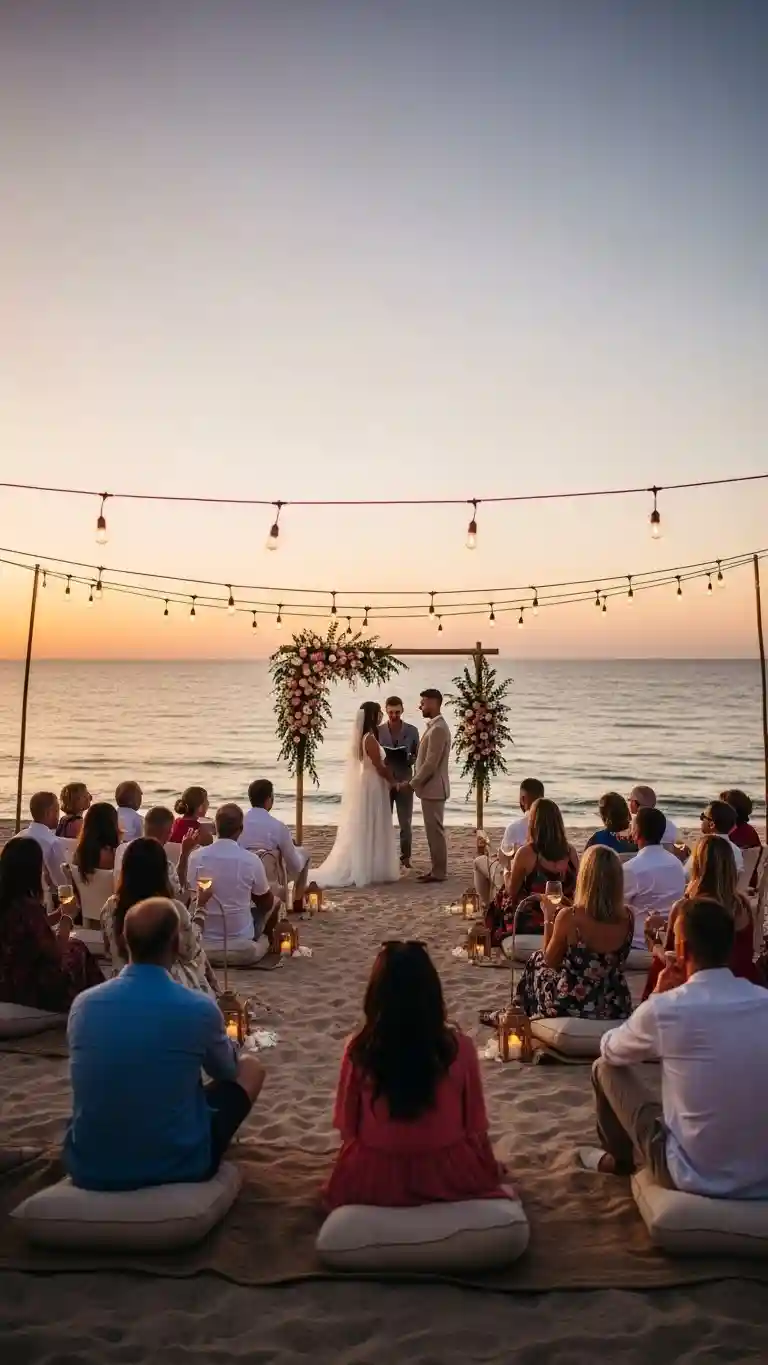
Many weddings focus heavily on visual impact, but experience-first planning changes how decisions are made.
Instead of asking what looks impressive, couples ask what feels comfortable, grounding, and emotionally engaging.
A Multi-Sensory Wedding approach encourages balance between stimulation and rest throughout the day.
This mindset helps couples avoid sensory overload while creating intentional transitions between moments.
By prioritizing guest awareness and comfort, the celebration flows naturally from start to finish.
15 Multi-Sensory Wedding Ideas
1. Layered Lighting That Changes Throughout the Celebration
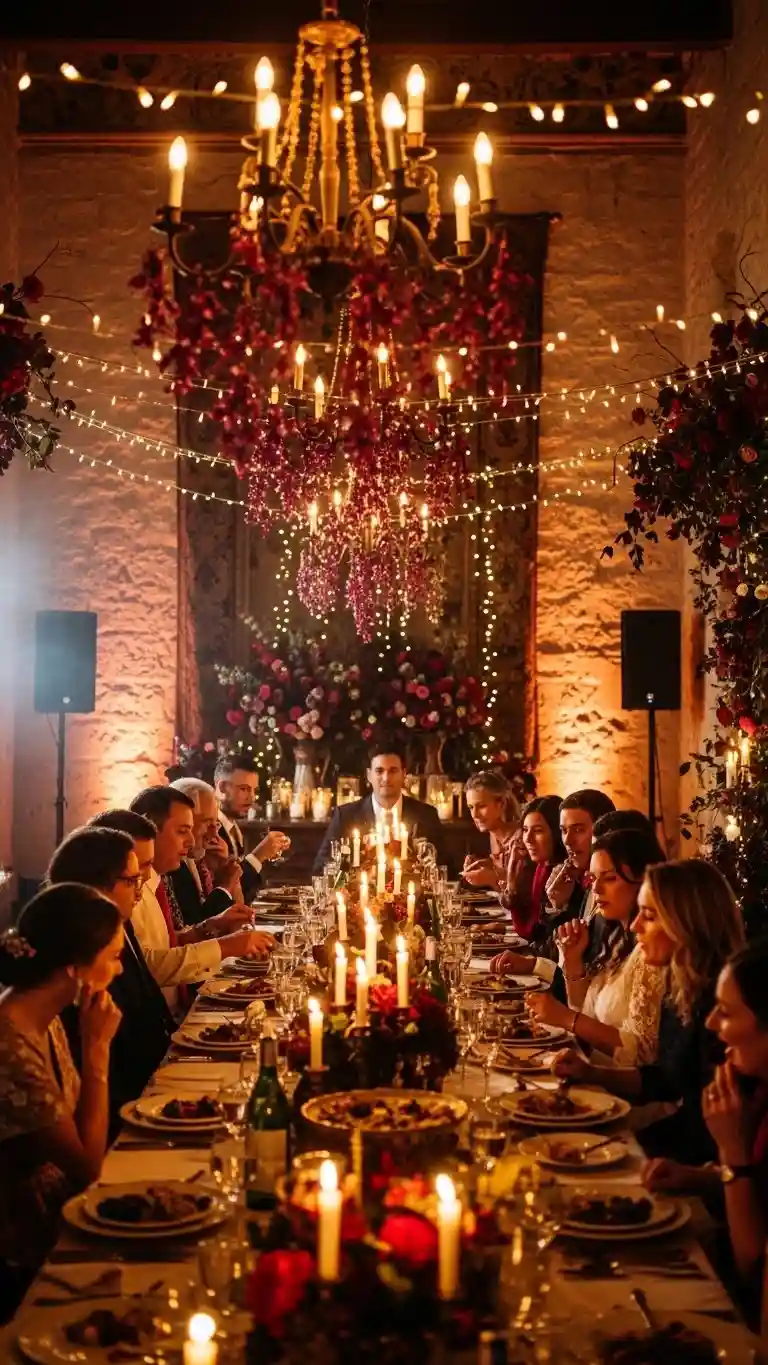
Lighting plays a powerful role in shaping the emotional rhythm of a Multi-Sensory Wedding celebration.
Soft natural light supports calm, reflective moments during ceremonies and early gatherings.
As the day progresses, warmer tones create intimacy and signal a shift toward celebration and connection.
Gradual lighting changes help guests move emotionally from one phase of the event to another.
Thoughtful lighting design enhances visual comfort while supporting the overall sensory experience without distraction.
When lighting evolves intentionally, it becomes an immersive guide rather than a background detail.
2. Thoughtfully Curated Soundscapes for Each Wedding Moment
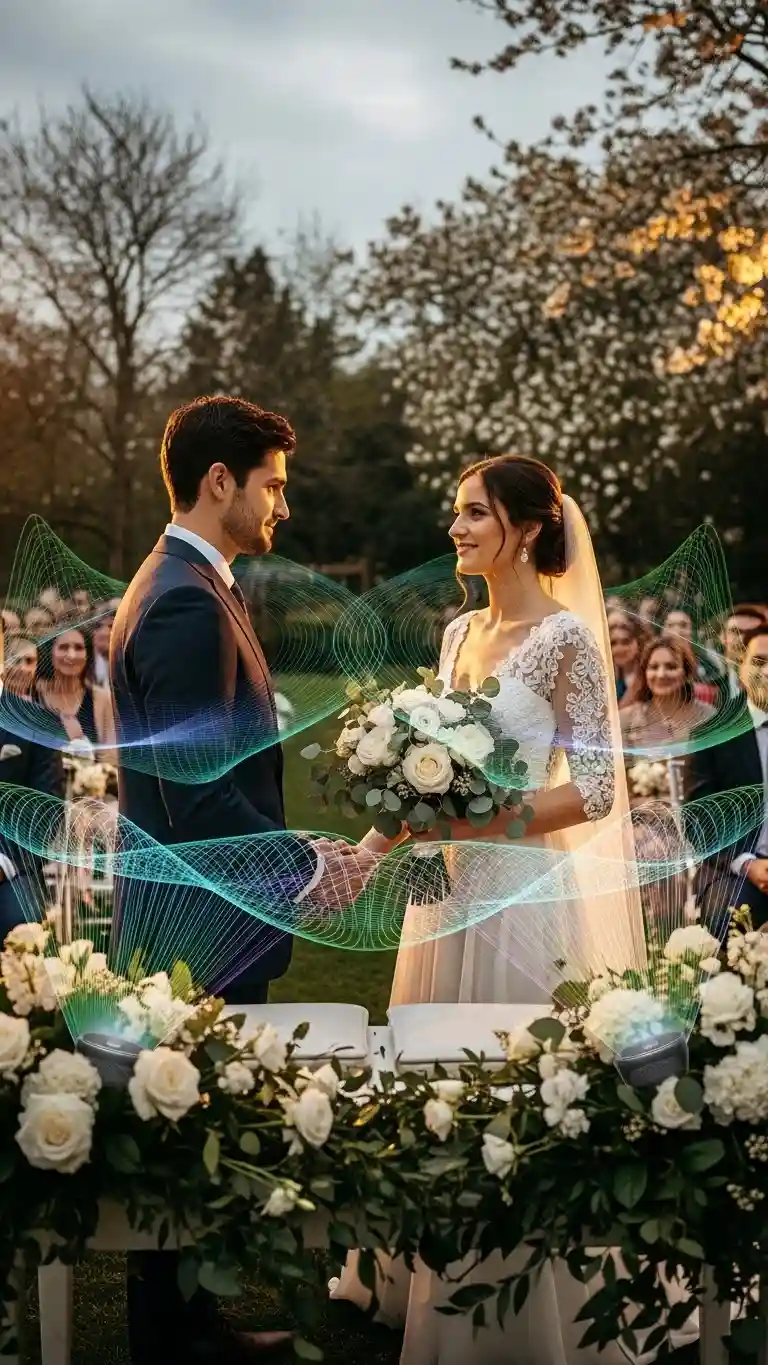
Sound influences mood instantly, making it a key element in a Multi-Sensory Wedding experience.
Different moments benefit from different sound levels, tones, and pacing.
Gentle background sounds support quiet reflection, while fuller soundscapes energize shared celebrations.
Clear transitions between sound environments help guests stay emotionally aligned with each moment.
Thoughtful sound design ensures music enhances connection without overpowering conversation or awareness.
When sound supports the experience, guests feel relaxed, engaged, and present throughout the celebration.
2. Textured Seating and Decor Guests Can Physically Feel
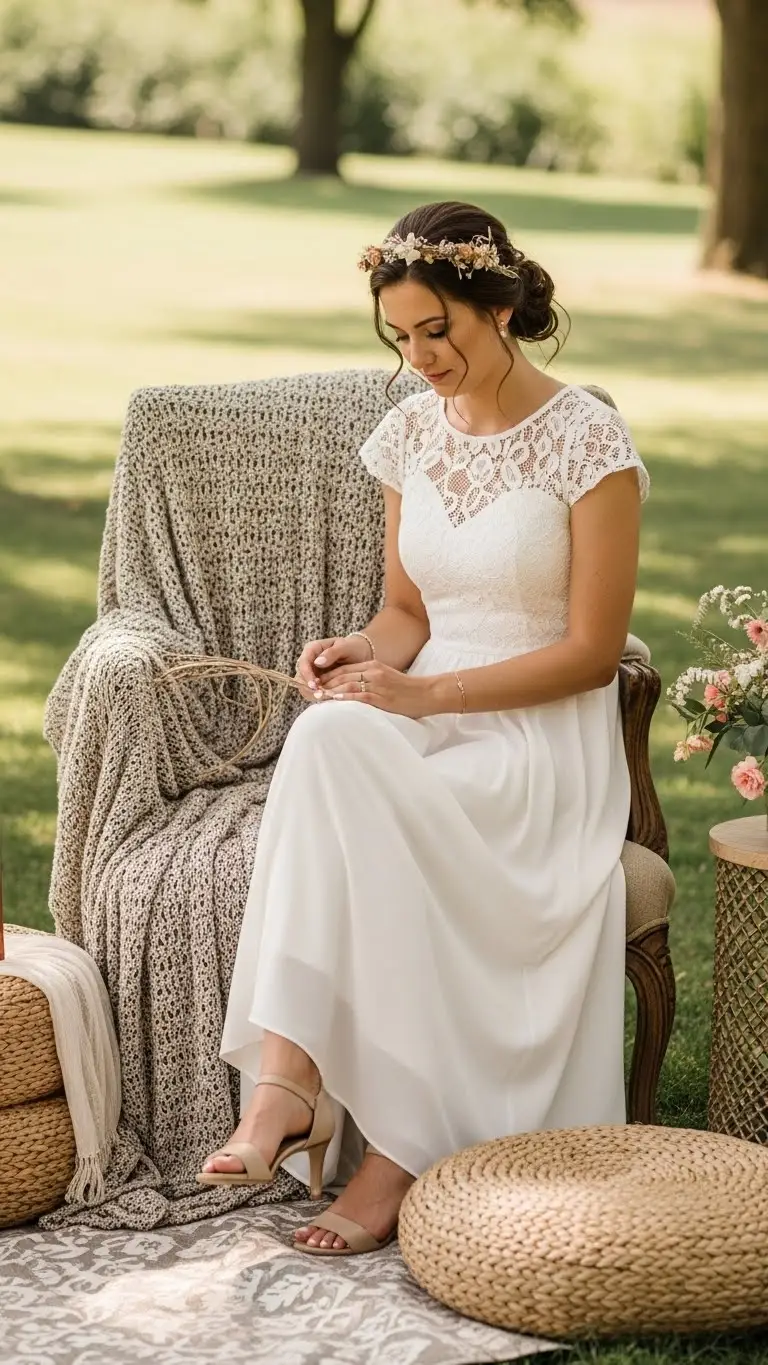
Touch is often overlooked, yet it strongly shapes comfort and emotional presence at weddings.
A Multi-Sensory Wedding benefits from seating and decor that feel inviting rather than stiff or formal.
Soft fabrics, natural materials, and layered textures encourage guests to relax and settle in.
Physical comfort allows guests to remain present instead of distracted by discomfort.
When tactile elements feel intentional, they quietly reinforce care and attention to detail.
This physical connection strengthens the immersive quality of the entire wedding experience.
3. Scent Styling That Feels Subtle and Meaningful
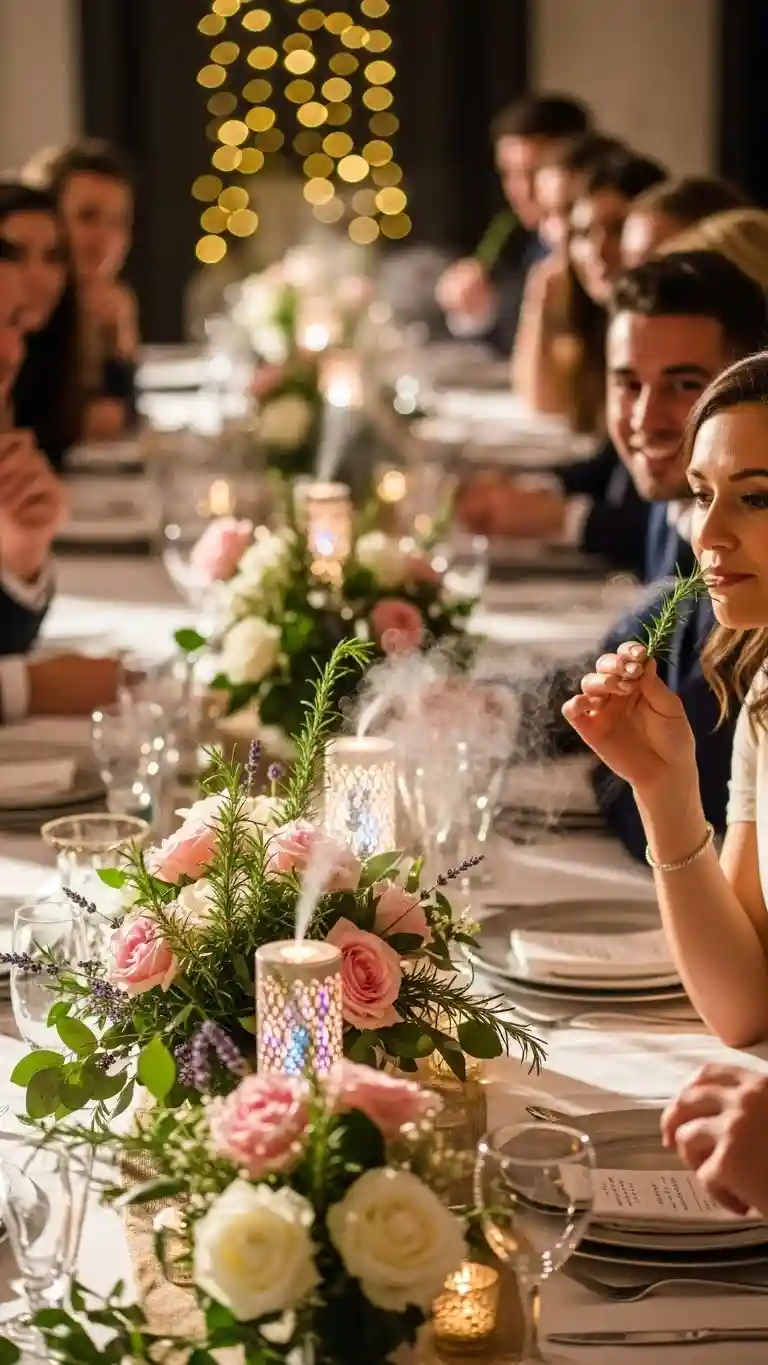
Scent connects deeply to memory, making it a powerful tool in a Multi-Sensory Wedding setting.
Natural, subtle aromas help shape atmosphere without overwhelming guests.
Gentle scent layers support emotional tone rather than drawing attention to themselves.
Careful placement ensures scents remain balanced across different areas of the celebration.
When used thoughtfully, scent becomes an invisible thread tying moments together.
This sensory layer enhances memory while maintaining comfort and accessibility for all guests.
4. Interactive Ceremony Moments That Invite Participation
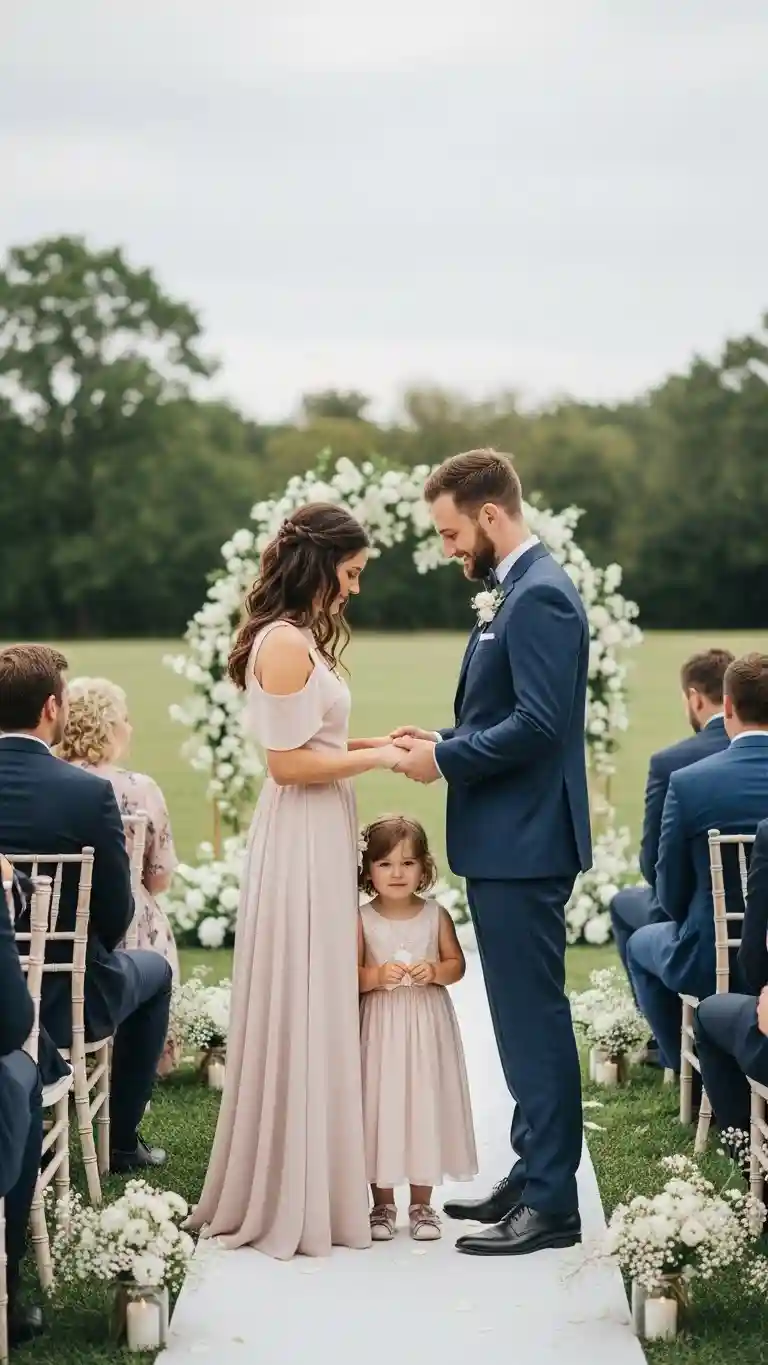
Interactive moments encourage guests to feel emotionally involved rather than passive observers.
A Multi-Sensory Wedding ceremony benefits from shared experiences that feel natural and inclusive.
Small participatory gestures help guests connect to the meaning of the moment.
These interactions deepen emotional engagement without disrupting ceremony flow.
When guests participate thoughtfully, they form stronger emotional connections to the celebration.
This shared presence transforms the ceremony into a collective experience.
5. Natural Pathways That Guide Guests Through the Space

Movement through the venue influences how guests perceive and experience a Multi-Sensory Wedding.
Intentional pathways encourage a smooth flow between ceremony, cocktail hour, and reception spaces.
Using natural lines, subtle decor, or gentle visual cues helps guide guests without feeling forced.
When the layout feels organic, guests move comfortably, remaining emotionally engaged rather than distracted or confused.
Thoughtful design also ensures that each transition provides visual, tactile, or auditory interest along the way.
By considering movement, couples enhance the immersive quality of the celebration while keeping practical logistics seamless.
6. Visual Storytelling Through Color and Motion
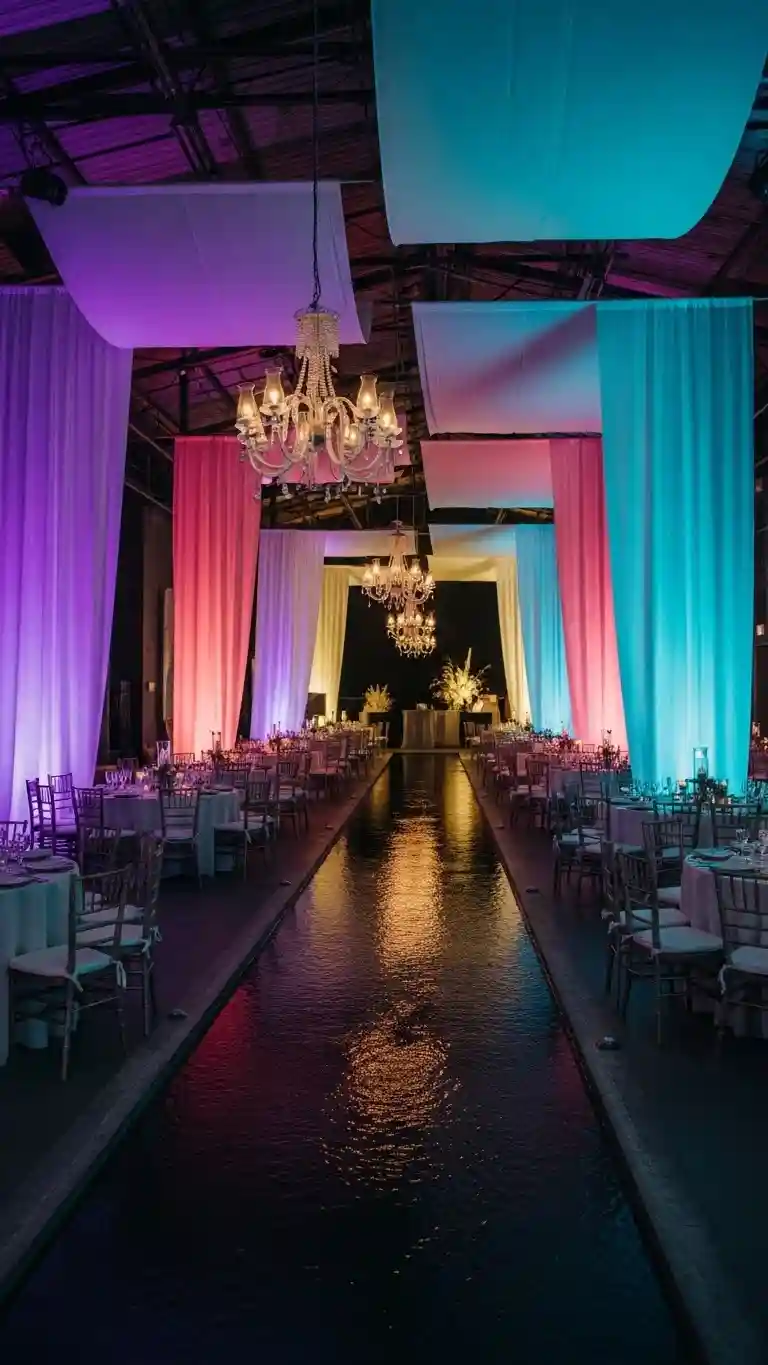
Color and motion together create rhythm and emotional flow throughout a Multi-Sensory Wedding.
Shifts in palette or dynamic elements such as draped fabrics and moving water features subtly guide guest attention.
Visual storytelling helps convey mood, mark special moments, and tie spaces together cohesively.
Combined with lighting and music, visual cues reinforce the emotional arc of the event.
Intentional visual design encourages guests to feel connected to both the environment and the meaning behind each moment.
When color and motion are used thoughtfully, the celebration feels curated yet effortless, enhancing the immersive experience.
7. Meaningful Welcome Experiences That Set the Tone
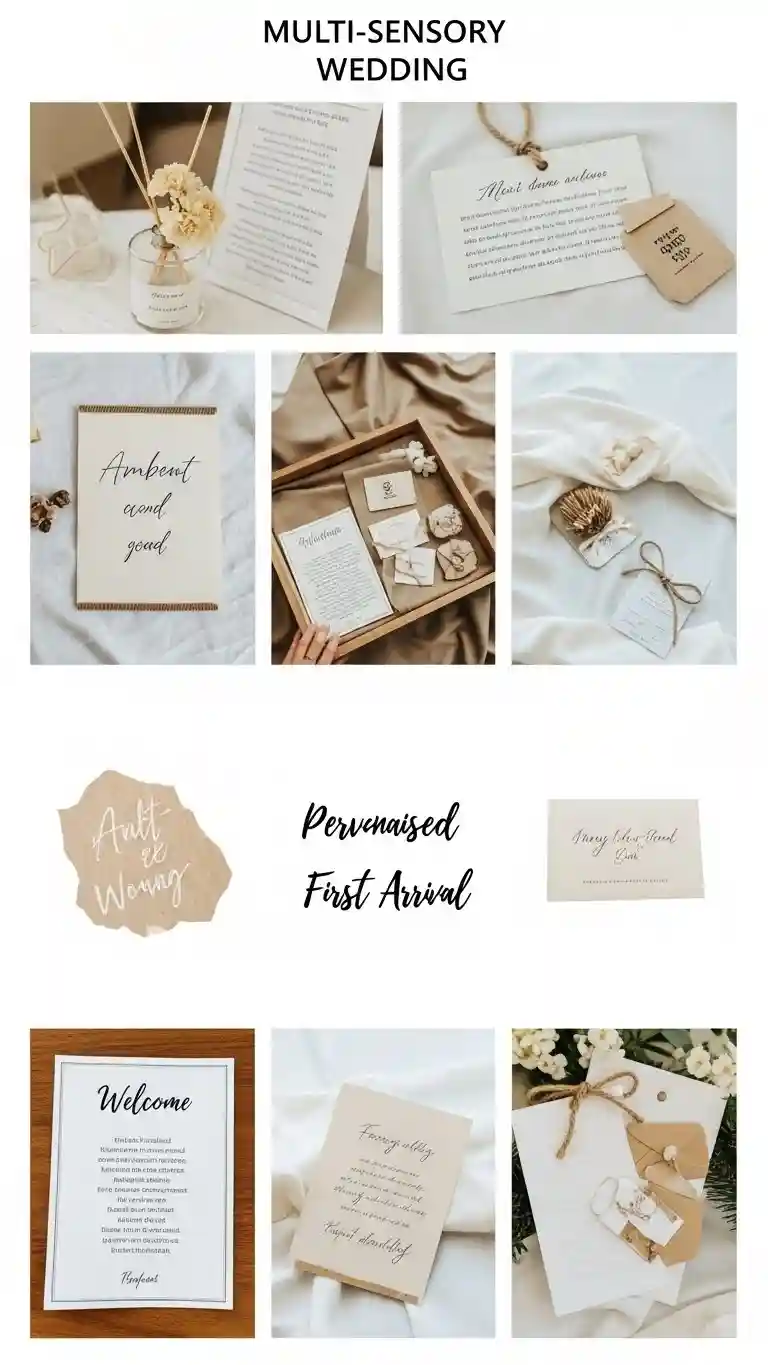
The first few moments upon arrival set expectations for a Multi-Sensory Wedding celebration.
Thoughtful welcome elements such as ambient scents, subtle music, and curated tactile touches immediately engage multiple senses.
Personalized gestures, like handwritten notes or small keepsakes, create a warm, emotional first impression.
Even small details, like textured signage or gentle lighting, help guests feel immersed from the start.
This intentional beginning ensures guests enter a fully prepared state to enjoy and connect with each moment.
When the welcome feels considered, it establishes a memorable sensory framework for the entire day.
8. Gentle Ambient Sounds That Enhance Calm Moments
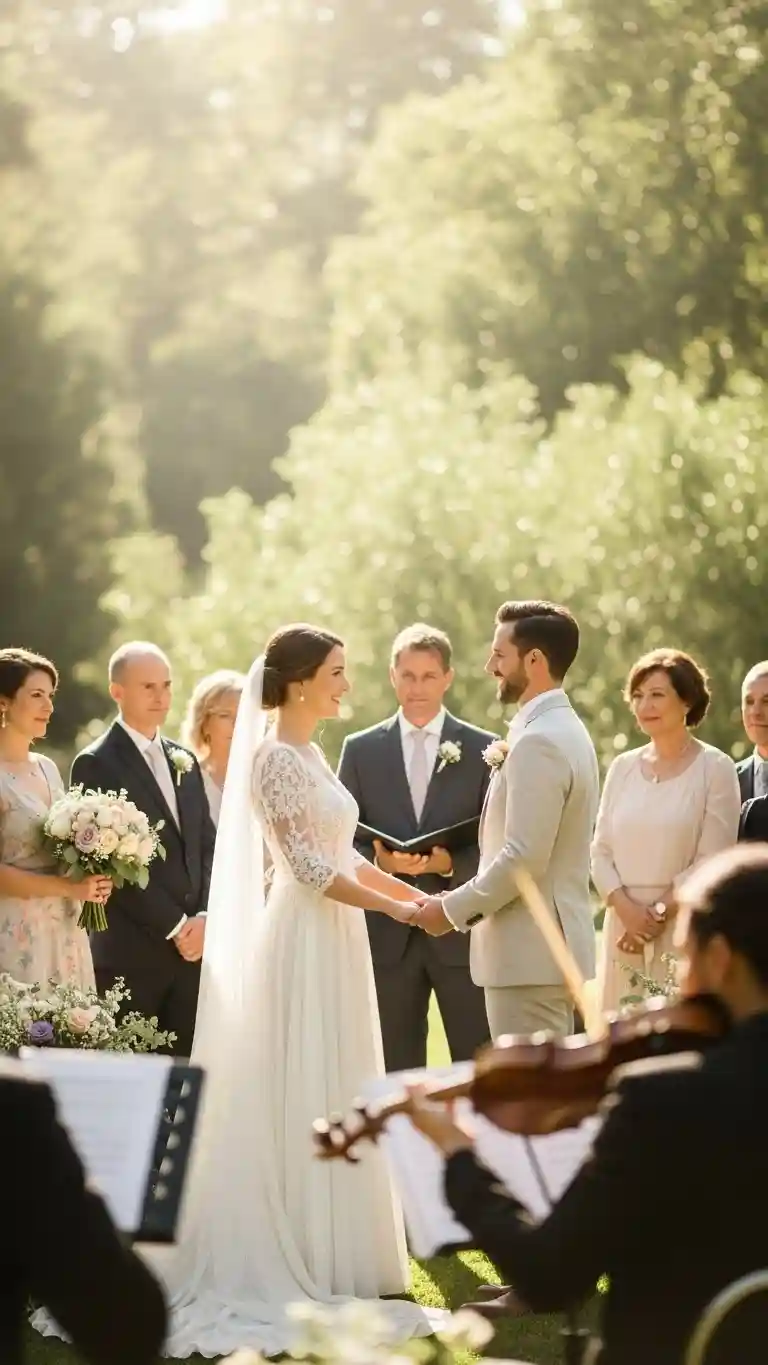
Multi-Sensory Weddings benefit from carefully layered audio that supports both lively and reflective moments.
Soft ambient sounds, such as ocean waves, wind chimes, or acoustic instruments, create calm zones within the event.
These gentle soundscapes encourage mindfulness and help guests fully absorb emotional highlights.
Ambient audio also smooths transitions, maintaining engagement without overwhelming conversation or activities.
When sound design is intentional, guests remain emotionally present and connected to both each other and the environment.
Balanced audio enhances the overall immersive experience, making each memory feel richer and more memorable.
9. Interactive Guest Seating That Encourages Connection
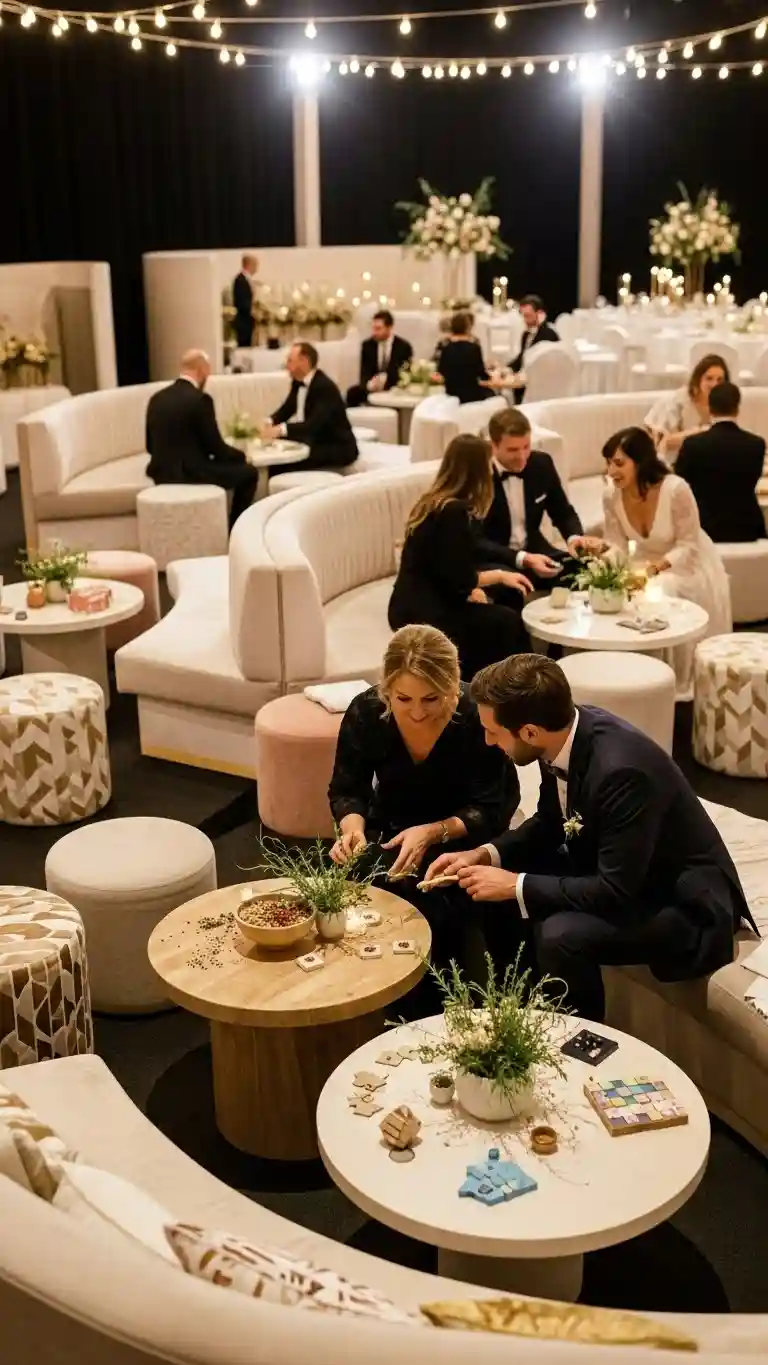
Seating arrangements in a Multi-Sensory Wedding can foster emotional and social engagement.
Circular tables, lounge-style areas, or flexible floor seating invite conversation while maintaining comfort.
Strategic placement of tactile textures and subtle sensory cues enhances relaxation and attentiveness.
Thoughtful seating also balances privacy with inclusion, ensuring guests feel both comfortable and engaged.
When guests feel at ease, they are more likely to participate fully in immersive experiences and emotional rituals.
Well-considered seating design strengthens the overall sensory flow of the celebration.
10. Balancing Sensory Elements Without Overwhelming Guests

While engaging multiple senses creates memorable experiences, too many simultaneous stimuli can confuse or fatigue guests.
Couples should consider pacing, contrast, and layering to maintain balance across sight, sound, touch, and scent.
Subtlety allows each sensory element to shine without competing for attention, creating an immersive yet comfortable environment.
Testing ideas in small moments before the main event helps ensure that each detail enhances rather than detracts.
Properly balanced sensory design ensures guests remain present, relaxed, and emotionally connected throughout the celebration.
11. Making Multi-Sensory Wedding Planning Feel Personal and Manageable
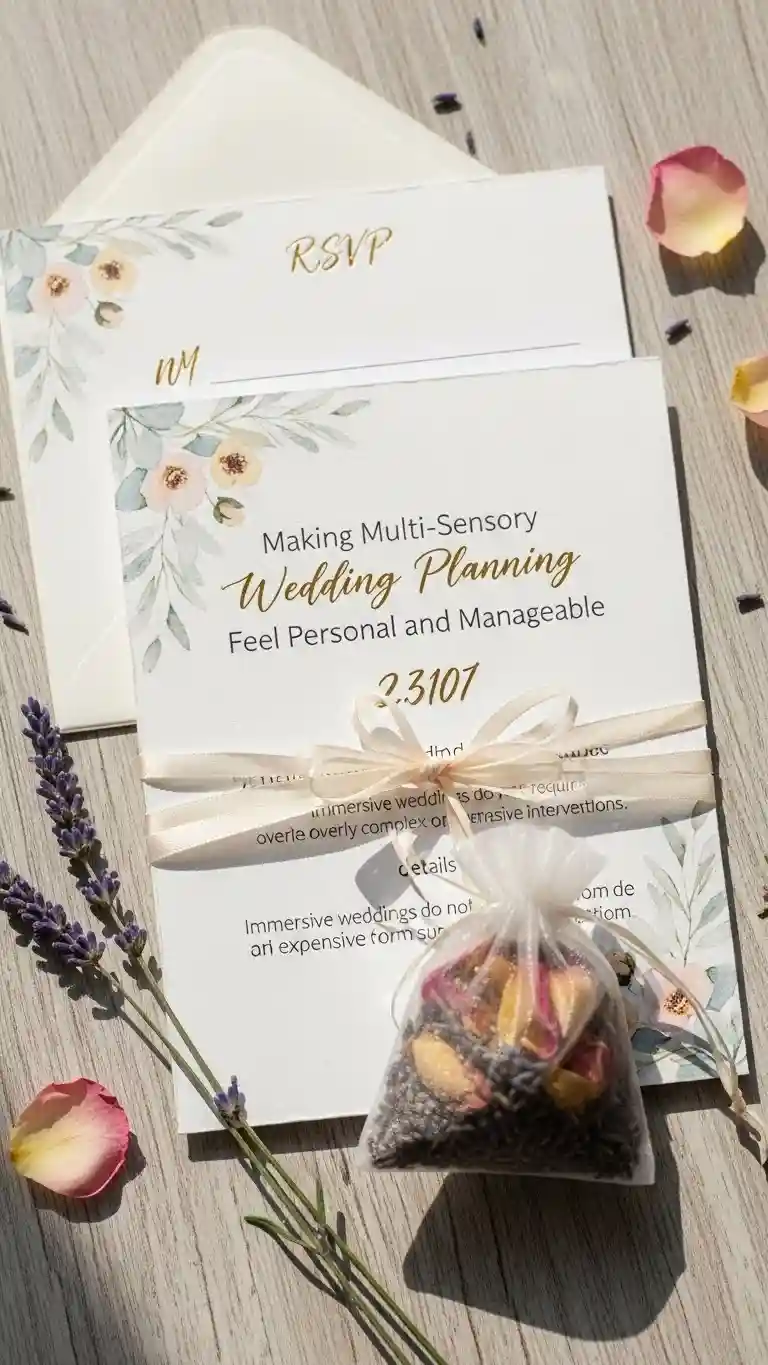
Immersive weddings do not require overly complex or expensive interventions.
Focusing on meaningful moments and personal touches allows couples to engage senses without stress or clutter.
Choosing elements that resonate with personal stories, venue characteristics, or seasonal inspirations simplifies planning while enhancing immersion.
Prioritization and intentionality allow every guest to feel included and emotionally engaged without overloading the experience.
When sensory planning aligns with purpose and personality, a Multi-Sensory Wedding becomes both memorable and manageable.
12. Nature-Based Elements That Engage Multiple Senses

Incorporating natural elements such as flowers, plants, and water features enhances sight, smell, and touch simultaneously.
Natural textures and subtle movements encourage guests to feel present and connected to the environment.
Plants and floral arrangements can guide attention, define spaces, and introduce gentle fragrance without overwhelming the senses.
Using nature thoughtfully reinforces a relaxed, immersive atmosphere that aligns with the Multi-Sensory Wedding philosophy.
When sensory cues come directly from the natural surroundings, the celebration feels authentic, grounded, and emotionally rich.
Nature-based details create cohesion between decor, venue, and guest experience, amplifying memorability.
13. Personalized Rituals That Create Emotional Depth
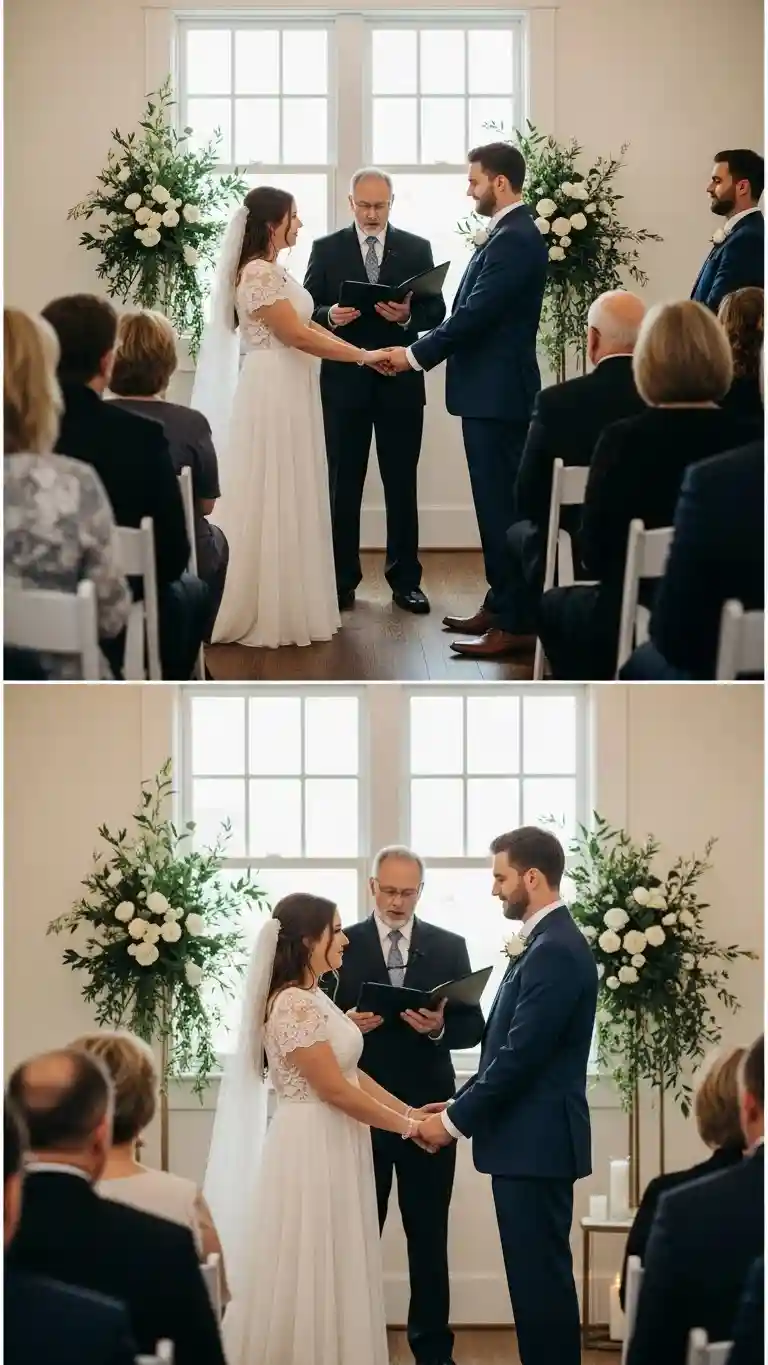
Rituals tailored to the couple’s story invite guests to participate emotionally rather than just spectate.
Small, symbolic gestures such as handfasting, lighting a unity candle, or personalized readings add intentionality.
These rituals engage multiple senses and strengthen the emotional resonance of each moment.
Thoughtful planning ensures rituals feel natural and accessible, avoiding forced or theatrical experiences.
When guests feel personally included, the ceremony leaves a lasting impression that extends beyond visual aesthetics.
Personalized rituals elevate a Multi-Sensory Wedding from a formal event to a shared, immersive experience.
14. Thoughtful Guest Comfort That Enhances Awareness
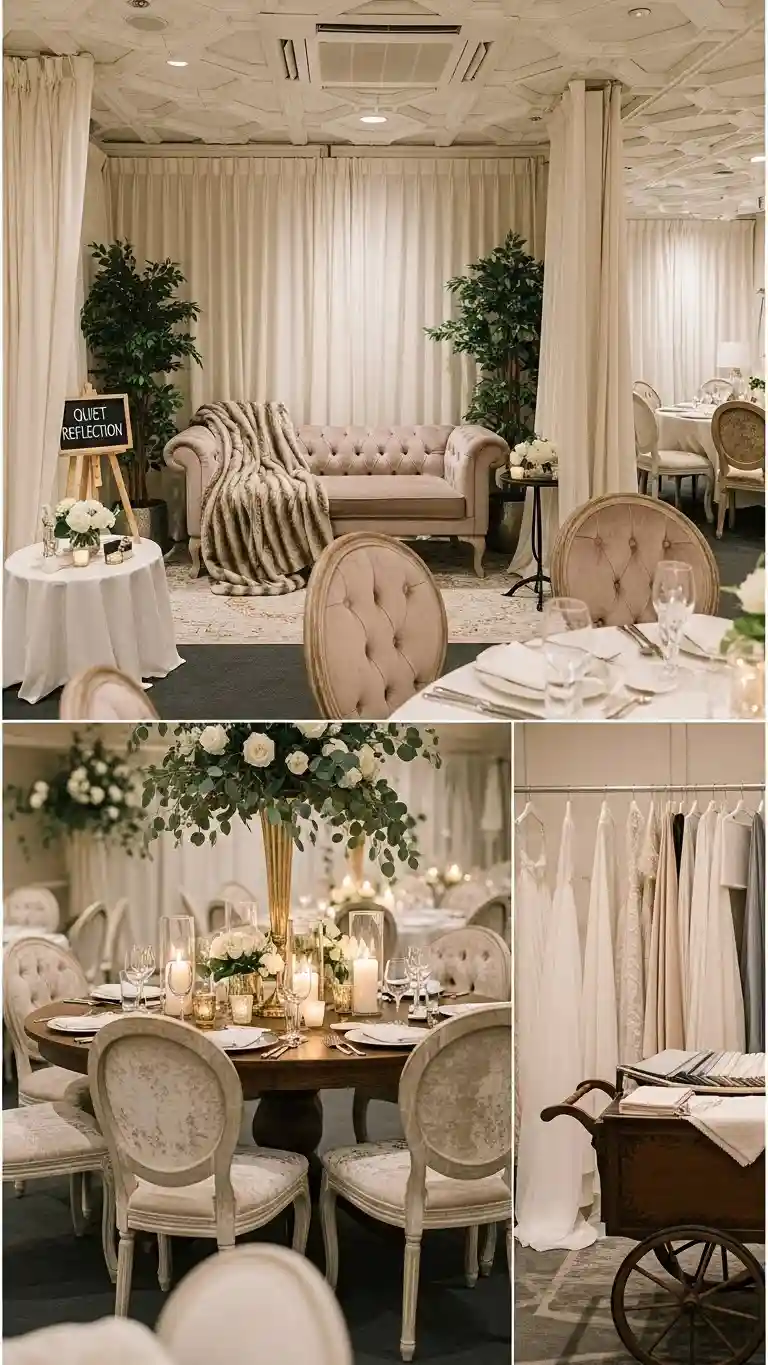
Guest comfort directly impacts how fully they can engage with a Multi-Sensory Wedding experience.
Consider tactile seating, climate control, soft fabrics, and quiet spaces for reflection.
Small comforts reduce distraction and allow guests to focus on visual, auditory, and emotional elements of the celebration.
Ensuring accessibility, clear pathways, and comfortable layouts shows intentional care for every attendee.
When guests feel at ease, sensory layers resonate more effectively, creating a deeper immersive experience.
Thoughtful comfort design amplifies both emotional impact and overall satisfaction.
15. Slow Transitions That Prevent Sensory Overload

Rapid shifts in lighting, music, or activity can overwhelm guests and reduce emotional connection.
A Multi-Sensory Wedding benefits from deliberate pacing that allows each sensory cue to land meaningfully.
Gentle transitions between ceremony, cocktail hour, and reception give guests time to process and engage fully.
Well-timed changes enhance anticipation, making every moment feel intentional and memorable.
When transitions are thoughtfully designed, the entire event feels cohesive, immersive, and emotionally satisfying.
Proper pacing ensures guests remain present and appreciate the layered sensory details throughout the celebration.
Closing Moments That Leave a Lasting Sensory Impression
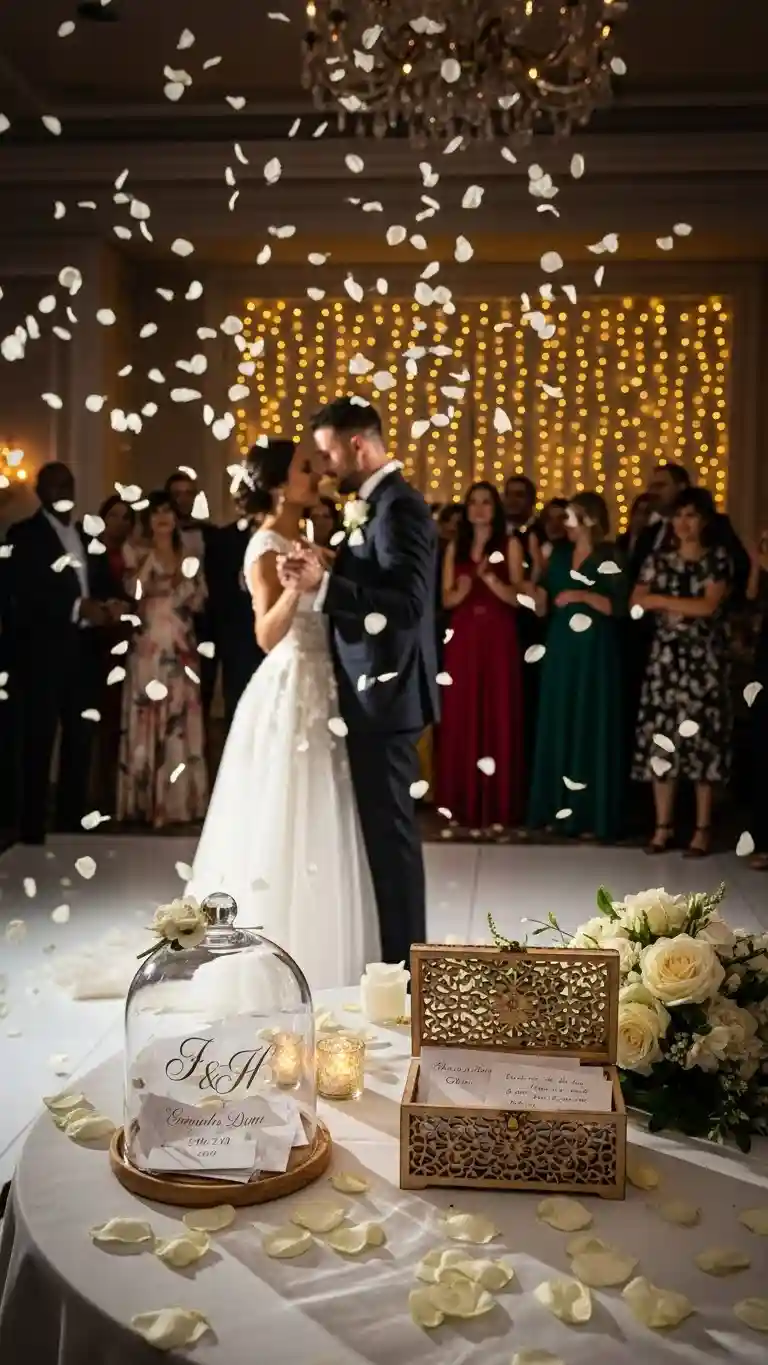
The final moments of a wedding shape lasting memories for both the couple and their guests.
Consider elements like signature scents, soft music, or symbolic rituals to leave a profound emotional imprint.
A Multi-Sensory Wedding benefits when the last moments echo the tone, mood, and immersive quality established earlier.
Intentional closings create a feeling of completion while reinforcing connection and shared experience.
When thoughtfully designed, the ending ensures the celebration lingers in memory long after guests depart.
Closing moments provide emotional punctuation that elevates the Multi-Sensory Wedding from memorable to unforgettable.
Final Wrap-Up
A Multi-Sensory Wedding combines sight, sound, touch, scent, and emotion to create deeply immersive and meaningful experiences.
Each sensory layer, when carefully considered, enhances emotional connection, guest engagement, and lasting memories.
Thoughtful planning ensures guests remain present, comfortable, and fully engaged from arrival to closing moments.
Incorporating natural elements, personalized rituals, layered lighting, soundscapes, and tactile details transforms weddings into cohesive, memorable experiences.
By focusing on immersive design rather than visual spectacle alone, couples can create celebrations that feel authentic, intentional, and unforgettable for everyone involved.


