

9 Wedding Color Ideas to Make Your Big Day Truly Unforgettable
Choosing a wedding color can feel overwhelming—but it doesn’t have to be! These expert-approved color combinations will inspire a cohesive and beautiful celebration.
When I first started helping friends plan their weddings, I realized how overwhelming one decision could feel: choosing the perfect wedding color. It’s not just a shade on a palette—it sets the mood, reflects your style, and ties every detail together, from flowers to table settings.
I remember one bride agonizing over dusty blue or soft lavender. She loved both but feared picking wrong.
After walking through her ideas, I suggested thinking about the vibe she wanted—romantic, bold, playful. That simple shift in perspective made all the difference.
Choosing a wedding color is more than aesthetics; it’s storytelling. A well-chosen palette can transform a venue, make your photos pop, and create memories that feel cohesive and intentional. Below, I’ll share my favorite tips to help you pick colors that make your wedding feel truly yours.
How to Choose the Perfect Wedding Color
Selecting a wedding color involves more than picking a favorite shade, as it should reflect the overall theme, venue, season, and personal taste.
Consider the location carefully; outdoor venues benefit from soft pastels that harmonize with natural surroundings, while indoor spaces can support darker, richer tones.
Lighting plays a crucial role as well, because it changes how colors appear in photos, floral arrangements, and table décor.
You should also consider color psychology; for example, warm hues create an energetic and joyful atmosphere, whereas muted shades convey elegance and serenity.
Finally, think about complementing the bridal party’s attire, stationery, and floral designs so that your chosen palette ties together seamlessly across every wedding element.
Trends in Wedding Colors for This Year
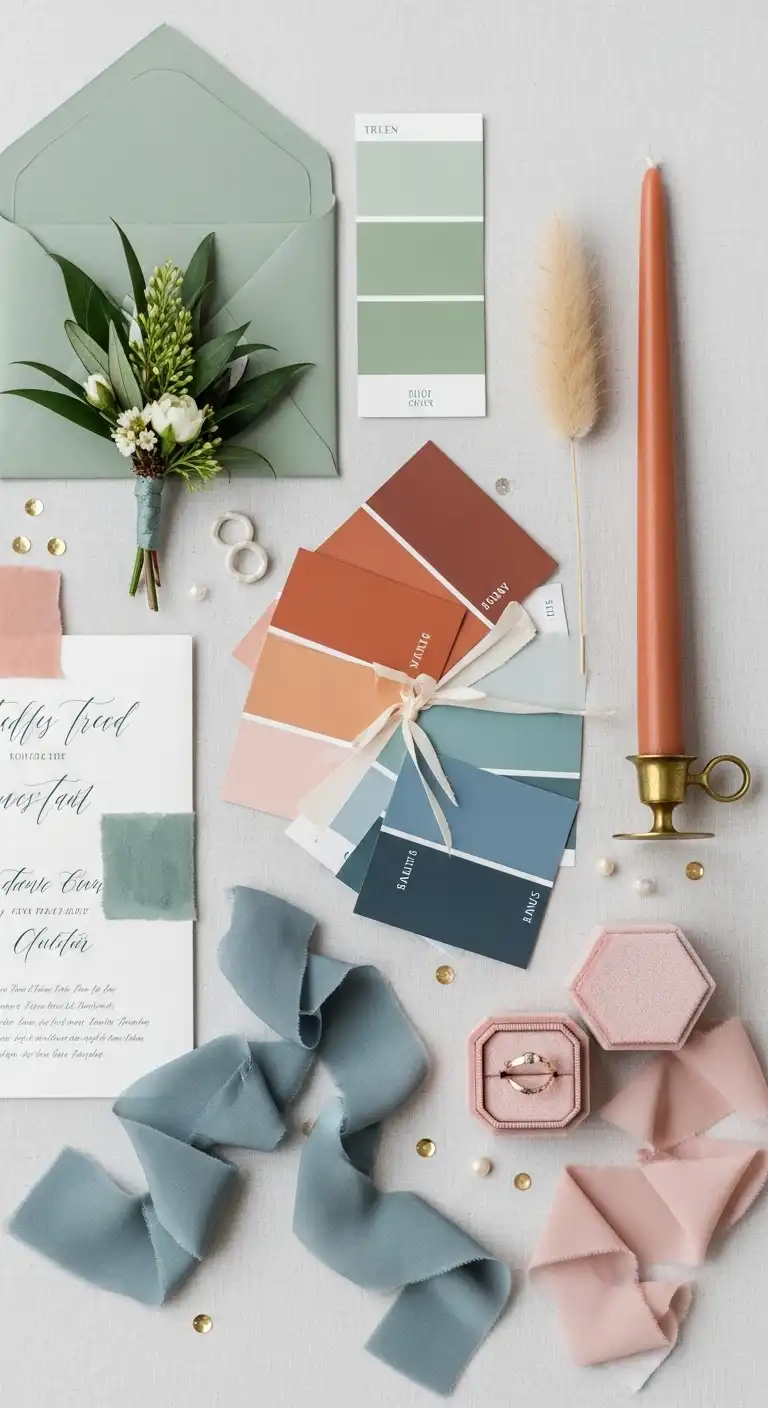
This year, couples are embracing unique combinations that move beyond traditional whites, reds, and pastels, allowing them to express individuality.
Muted earth tones paired with metallic accents are gaining popularity, adding sophistication without feeling overstated or heavy.
Jewel tones, such as sapphire, emerald, and amethyst, provide a dramatic and luxurious effect, especially for evening ceremonies.
Unexpected combinations, like pairing dusty pink with deep teal or lavender with gold, are also becoming trendy, showing that creativity often makes a wedding memorable.
Additionally, layering textures and subtle patterns within your palette creates depth and visual interest without overwhelming the space or clashing with other design elements.
9 Wedding Color Ideas
Blush Pink and Sage Green
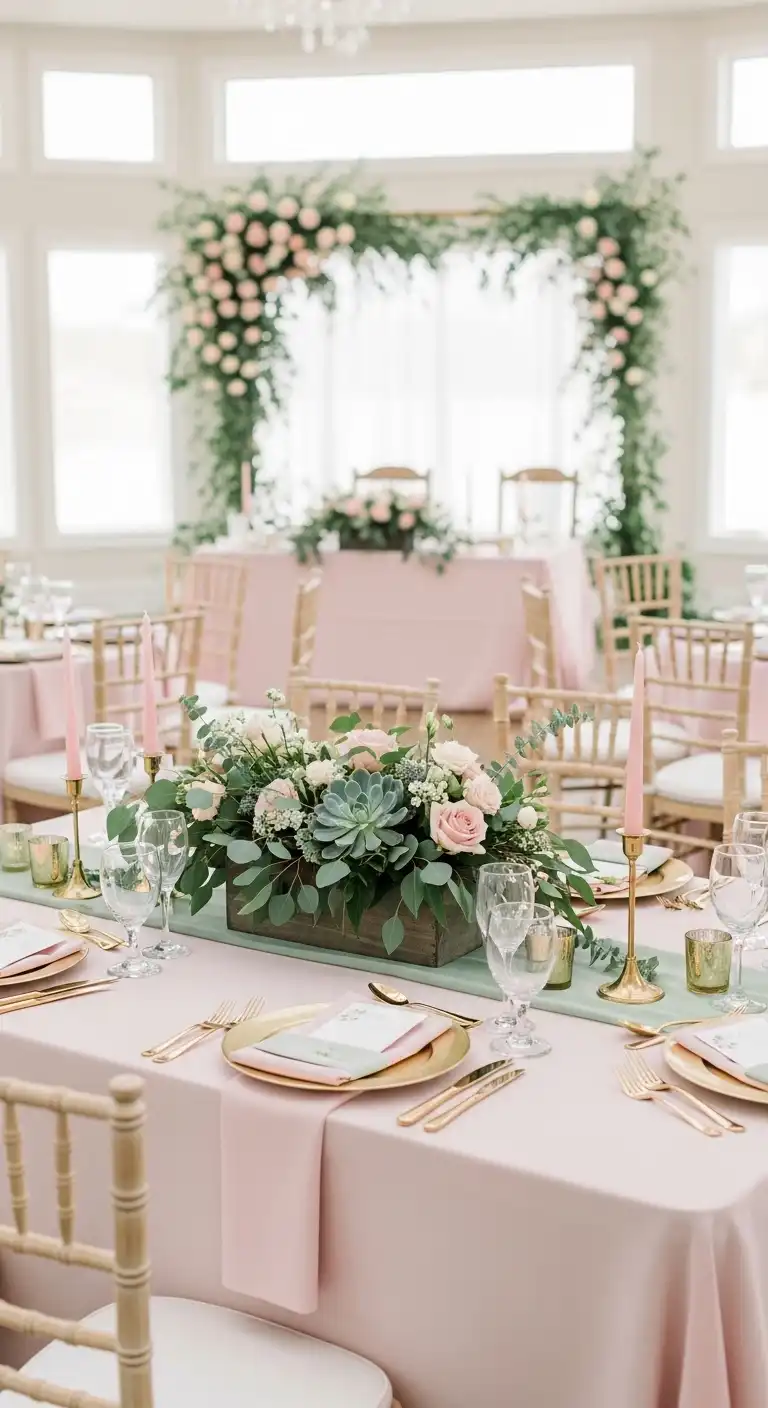
Blush pink combined with sage green creates a soft and romantic ambiance, perfect for springtime garden weddings or airy indoor celebrations.
The gentle tones naturally complement floral arrangements, particularly roses, peonies, and eucalyptus, while maintaining a sophisticated and timeless feel.
Bridesmaids can wear blush dresses while groomsmen wear sage green accents, helping the color scheme appear cohesive without feeling forced.
Table linens, ribbons, and candle arrangements in these shades add a subtle touch of elegance that enhances both décor and photography.
Adding metallic touches, like gold candle holders or silver napkin rings, balances the palette and prevents it from feeling too pastel or monotone.
Overall, this pairing evokes warmth and romance, making guests feel welcomed while creating a dreamy and cohesive visual atmosphere.
Navy Blue and Coral
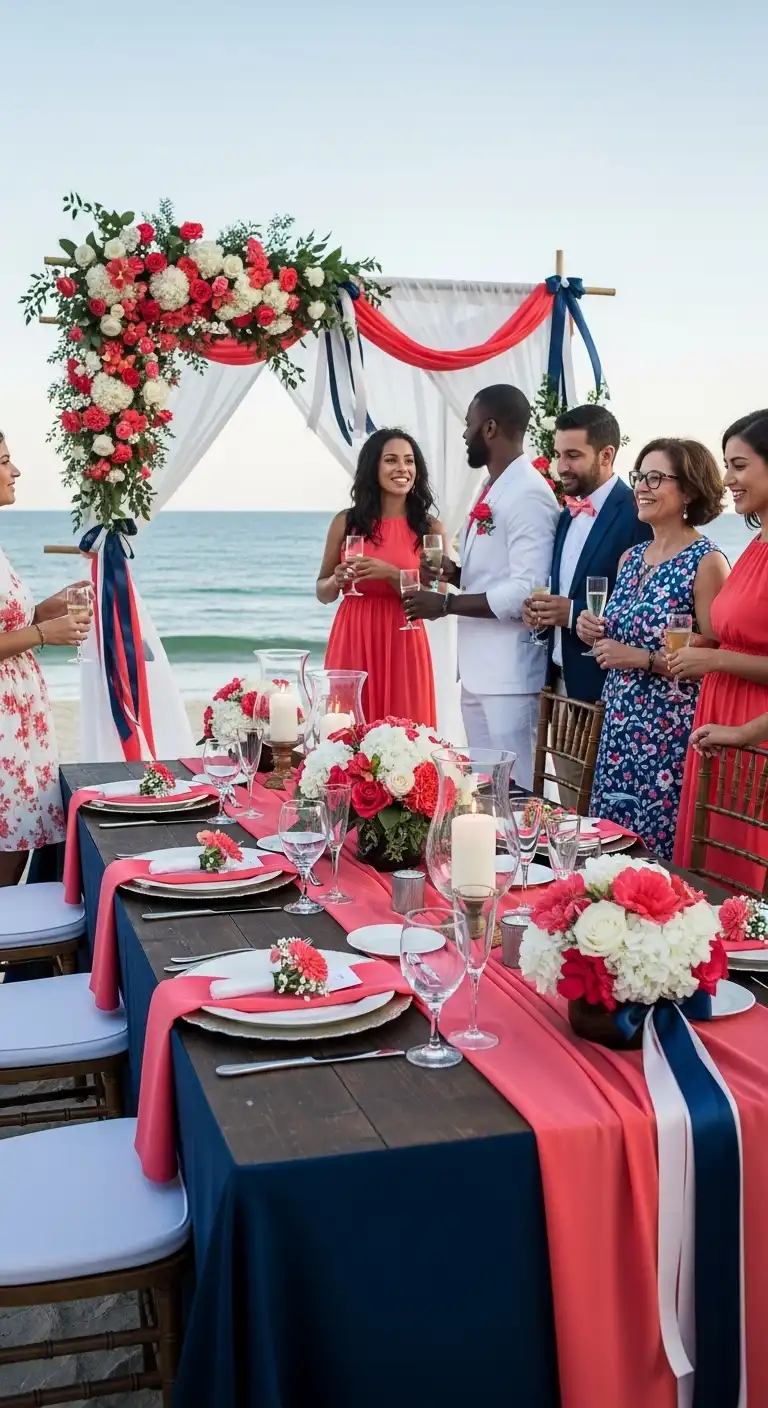
Navy blue paired with coral creates a bold and striking visual contrast, perfect for summer or seaside weddings that require energy and vibrancy.
Navy provides a deep, sophisticated foundation, while coral adds warmth and cheerful brightness without overpowering the overall aesthetic.
Consider incorporating coral in bridesmaids’ dresses, floral arrangements, and decorative accents, while using navy for groomsmen’s suits, table runners, or invitation designs.
This combination also works beautifully in photography, as the warm and cool tones complement each other under natural sunlight or soft indoor lighting.
Adding small touches of white or ivory can soften the palette, ensuring it feels balanced rather than overwhelming for both guests and the wedding party.
Overall, navy and coral make a memorable, dynamic statement while remaining versatile enough for different venues and seasons.
Lavender and Silver
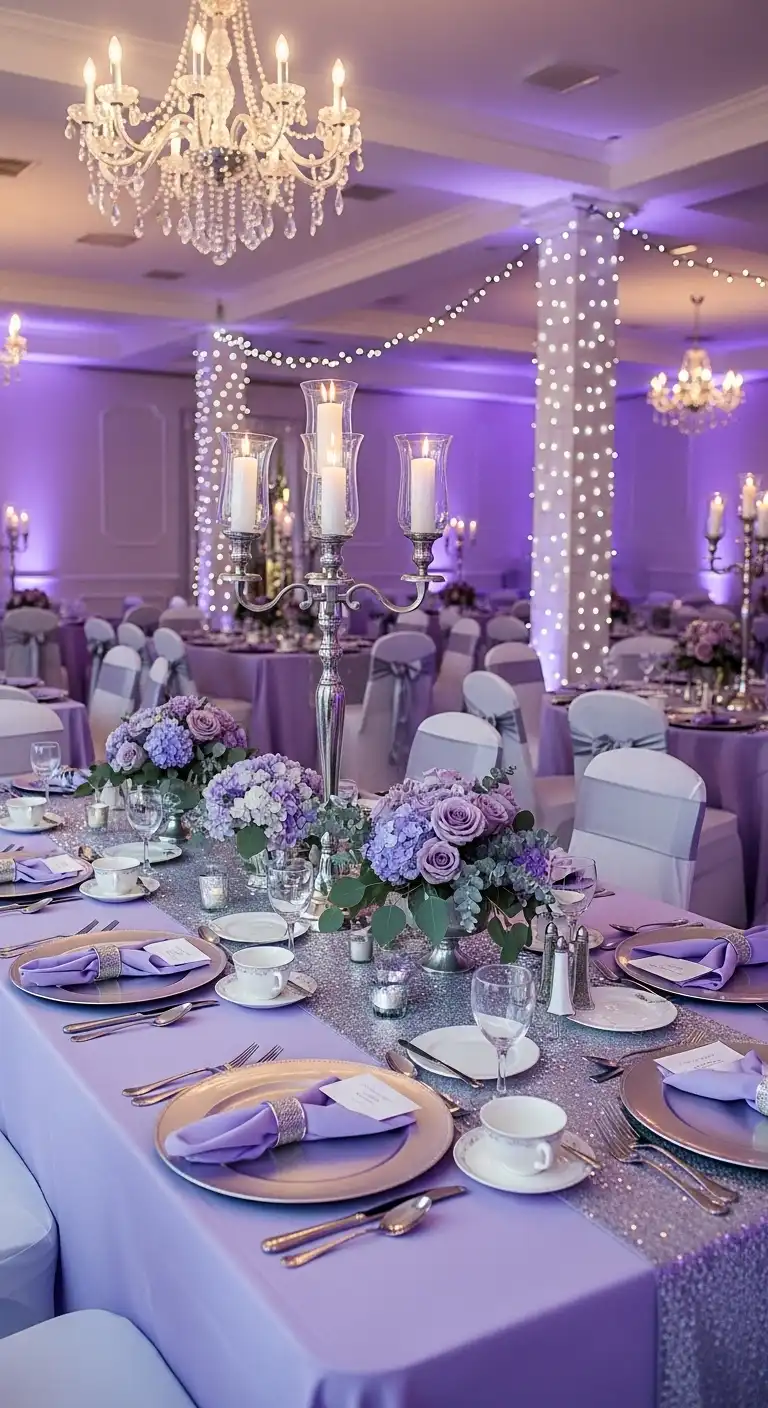
Lavender and silver create a calm, luxurious, and elegant atmosphere, ideal for evening or winter weddings that want a touch of sparkle.
Lavender provides a gentle, romantic tone that works beautifully in flowers, linens, and bridal accessories, while silver adds shimmer through candlelight, tableware, or decor accents.
Bridesmaids in lavender dresses paired with silver jewelry or sashes create a cohesive look that reflects both sophistication and charm.
This combination also pairs well with neutral backgrounds like ivory or soft gray, allowing the colors to pop naturally in photos.
Lavender and silver can be easily adapted for different themes, whether a modern minimalist wedding or a traditional elegant celebration.
Peach and Mint
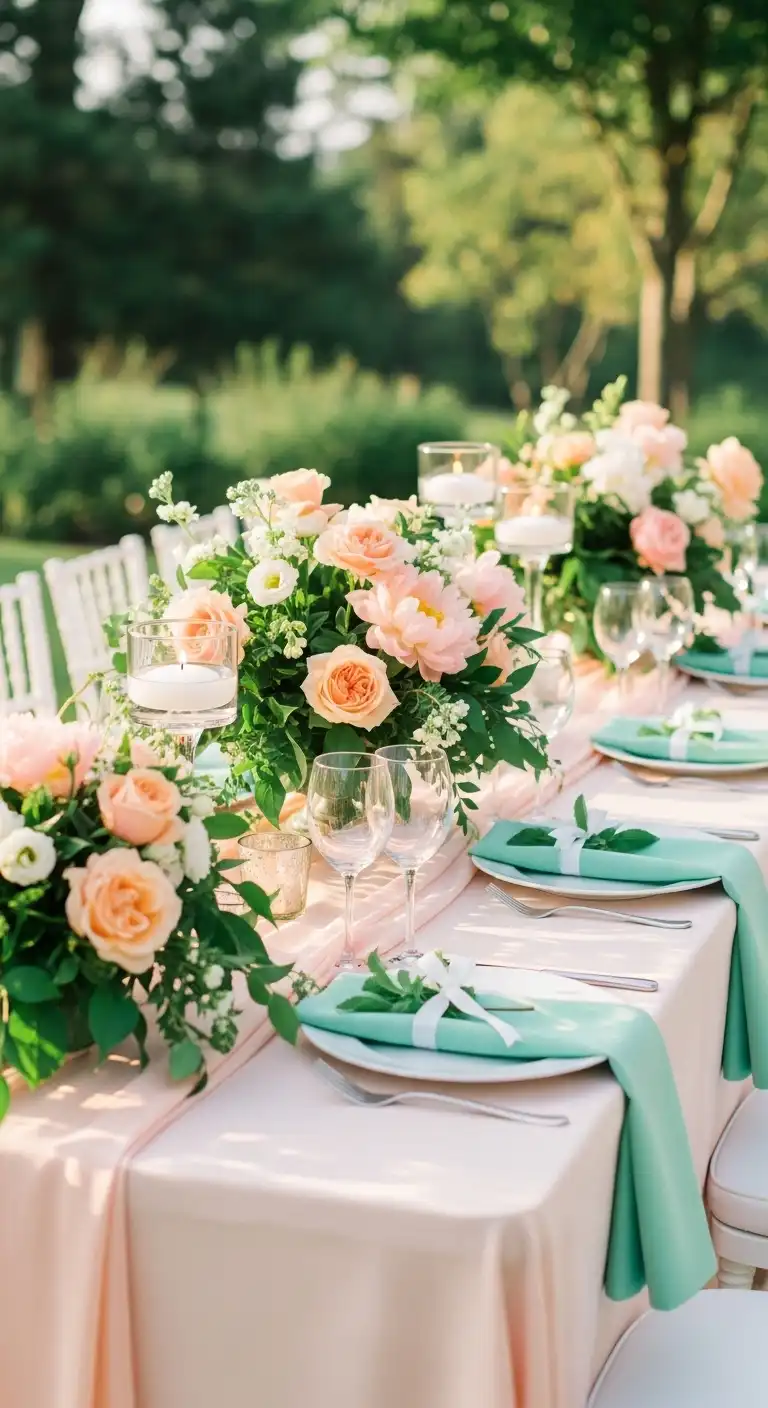
Peach and mint offer a cheerful and refreshing palette, perfect for daytime weddings or outdoor ceremonies where light and airy colors enhance the surroundings.
Peach brings warmth and softness, while mint adds a cool, refreshing touch, creating a harmonious balance that feels uplifting and elegant.
This combination works beautifully in floral bouquets, table napkins, wedding favors, and cake decorations, bringing energy without being overpowering.
Bridesmaids can wear mint dresses with peach accessories, or vice versa, to maintain consistency without appearing too matched.
These pastel tones are versatile, offering a dreamy atmosphere while maintaining sophistication for modern weddings or casual celebrations in natural settings.
Burgundy and Blush
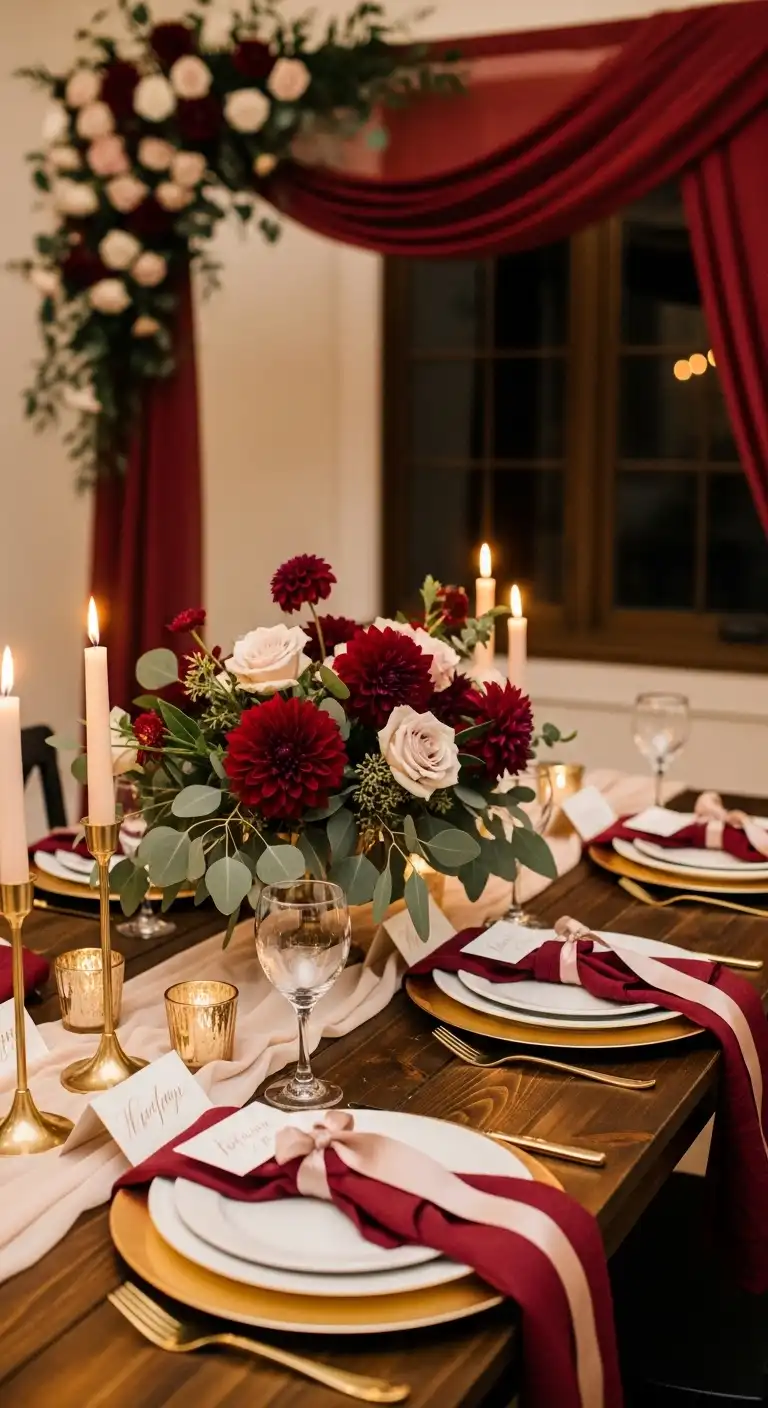
Burgundy paired with blush creates a romantic and warm aesthetic, making it ideal for fall or winter weddings with intimate or cozy atmospheres.
Burgundy adds richness and depth, while blush softens the palette with subtle elegance, preventing the overall look from feeling too dark or heavy.
This combination works well in floral arrangements, ribbons, table linens, and bridesmaids’ dresses, producing a sophisticated contrast that highlights both shades beautifully.
Adding accents like gold or cream further elevates the palette, creating warmth that feels inviting and luxurious.
Photographers often favor this pairing because it captures both intensity and softness, giving wedding photos timeless appeal that complements multiple lighting conditions.
Teal and Gold
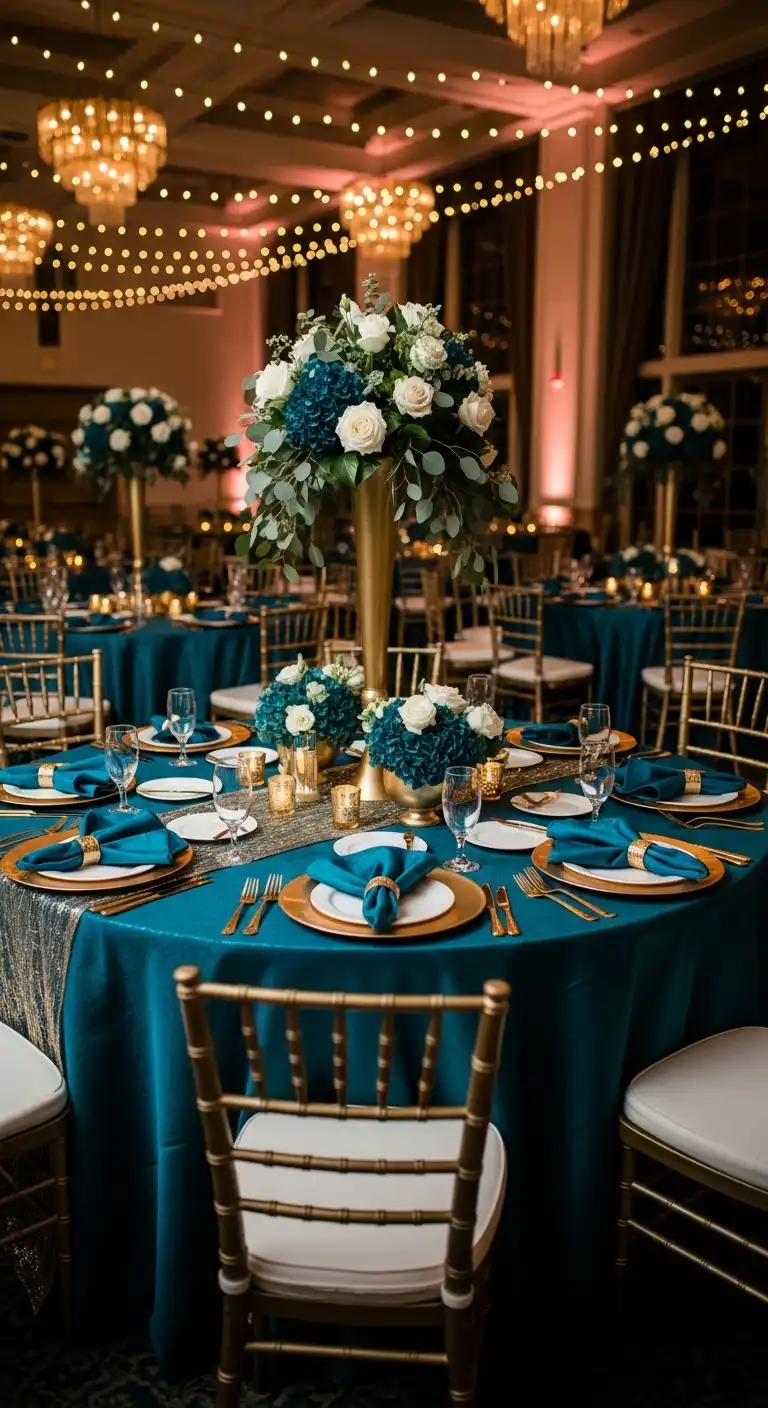
Teal and gold create a luxurious yet modern aesthetic, ideal for couples seeking a vibrant and elegant wedding theme.
Teal provides a rich, jewel-like base, while gold adds warmth and shimmer, enhancing the overall sophistication without appearing over-the-top.
Bridesmaids’ dresses, table linens, or groomsmen accessories in teal can be paired with gold centerpieces, candle holders, or signage for a cohesive look.
This palette works exceptionally well in evening celebrations where the metallic gold reflects ambient lighting, creating a romantic glow across the venue.
Even subtle accents like gold-rimmed glassware or teal floral ribbons elevate the décor, making each detail feel intentional and cohesive with the wedding’s color story.
Dusty Blue and Gray
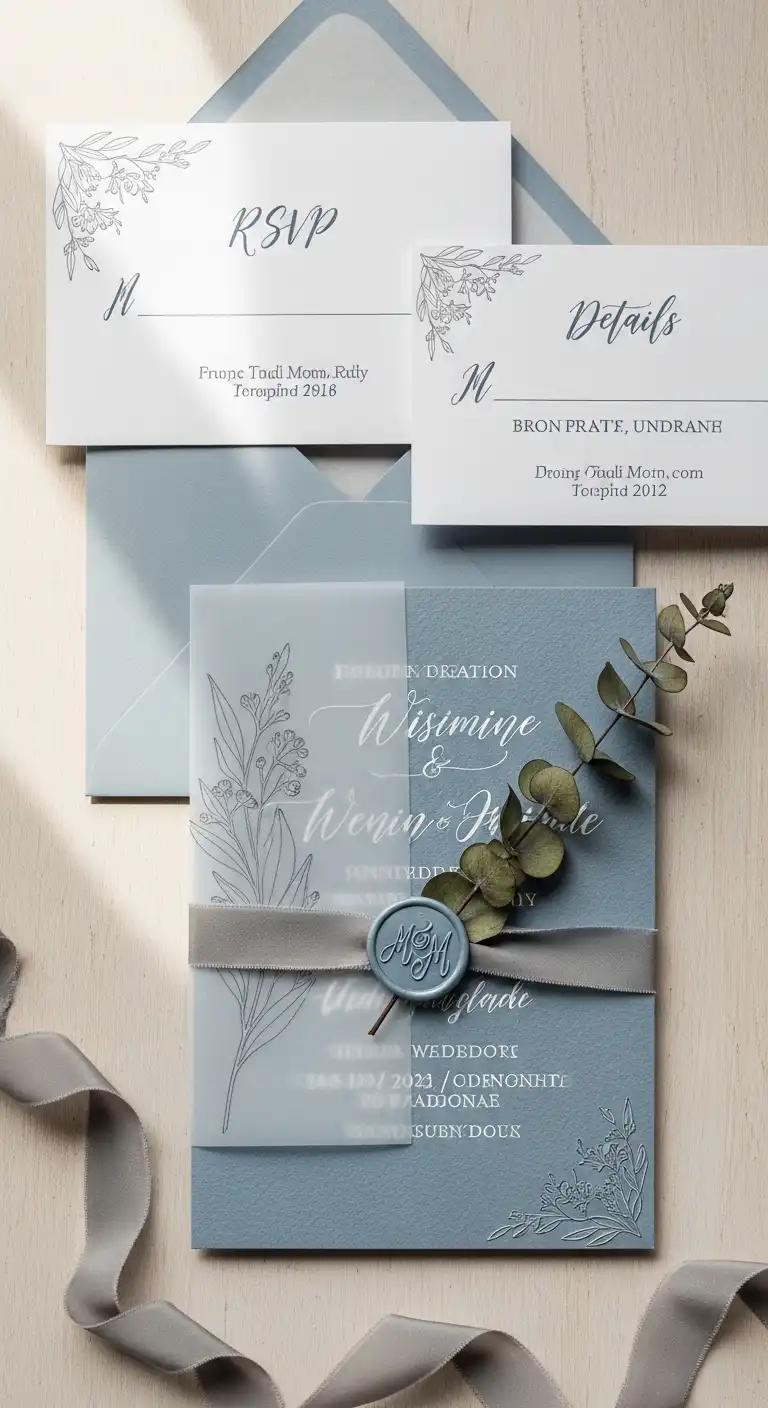
Dusty blue and gray create an understated, timeless aesthetic suitable for formal, classic, or modern weddings.
Dusty blue provides a soft and calming tone, while gray offers neutrality and balance, allowing other elements to shine without overwhelming the space.
This palette pairs well with ivory, white, or soft metallic accents, creating elegance across floral arrangements, table décor, and stationery designs.
Bridesmaids can wear dusty blue dresses while groomsmen add gray ties or pocket squares, ensuring a cohesive wedding party look.
The combination also photographs beautifully under natural or artificial light, maintaining consistency while complementing diverse venues and seasonal settings.
Coral and Turquoise
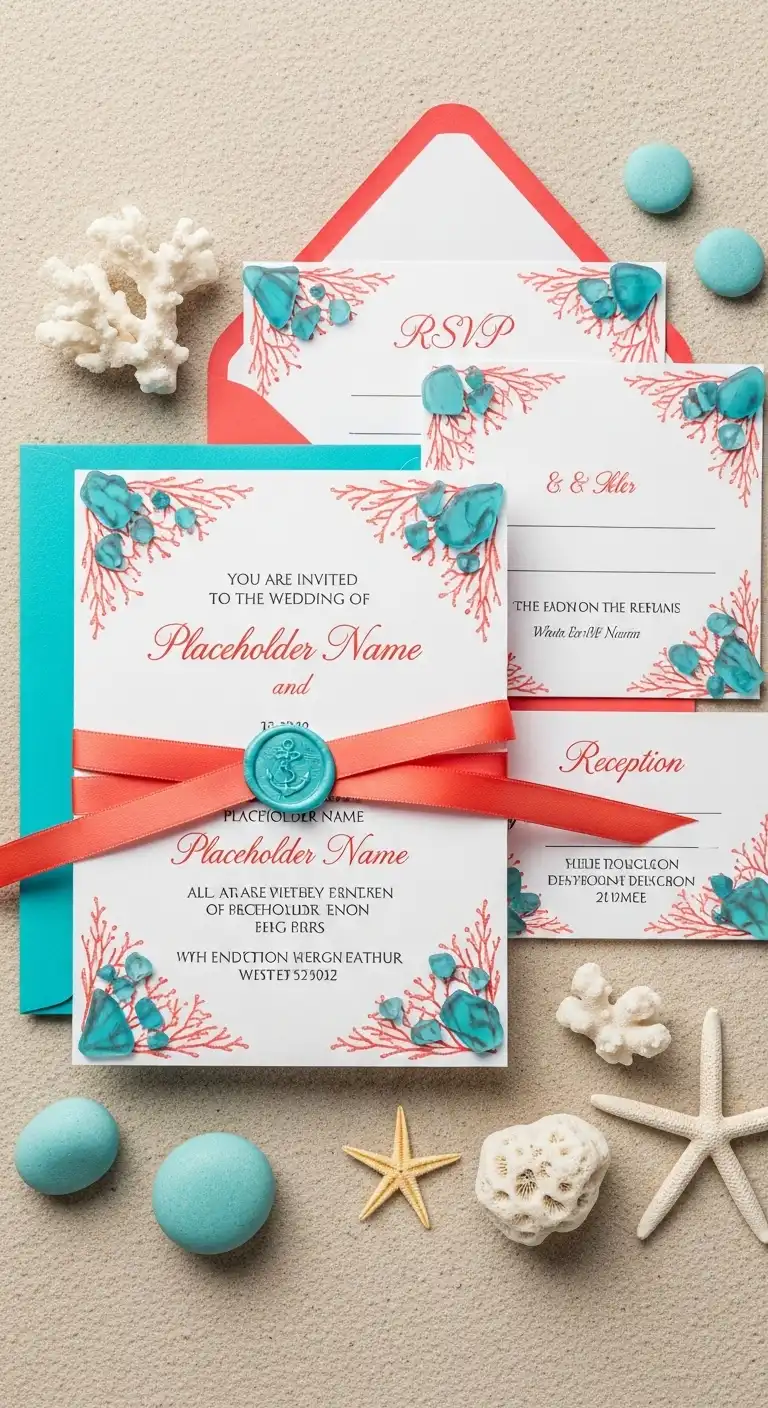
Coral and turquoise create a lively, tropical vibe, perfect for beach, destination, or summer-themed weddings.
Coral brings warmth and energy, while turquoise adds a refreshing, bright contrast that feels playful yet elegant at the same time.
Use coral in floral arrangements, napkins, and bridesmaids’ dresses, while incorporating turquoise in table settings, ribbons, or accent décor pieces.
This pairing works particularly well outdoors, where natural sunlight enhances both colors, creating vibrant photographs and cheerful surroundings.
Adding neutral touches like cream or soft gold balances the palette, preventing it from feeling too bold while maintaining a festive and inviting atmosphere.
Champagne and Blush Gold
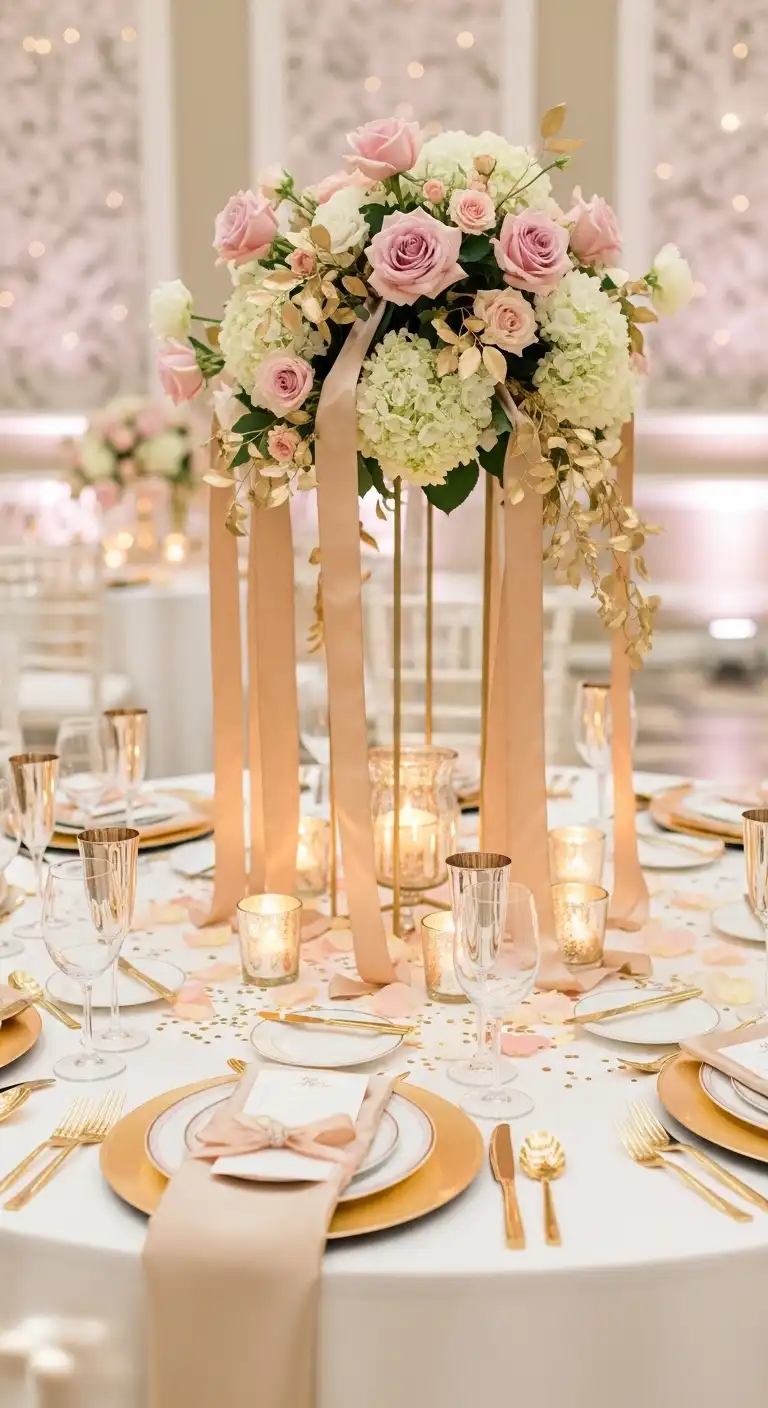
Champagne and blush gold create a romantic, ethereal aesthetic, perfect for weddings that want a soft metallic glow without excessive boldness.
Champagne provides warmth and subtle luxury, while blush gold adds shimmer in a delicate and sophisticated way, complementing florals, linens, and décor accents.
This pairing works beautifully in candlelight, table runners, or subtle metallic trims, creating a soft elegance that feels luxurious without appearing ostentatious.
Bridesmaids’ dresses or groom’s accessories in blush gold tie in with champagne-toned décor, making the overall design cohesive and visually appealing.
The combination also works in a variety of venues and lighting, ensuring that both photos and in-person settings feel harmonious and enchanting.
Tips for Coordinating Wedding Colors Across Different Elements
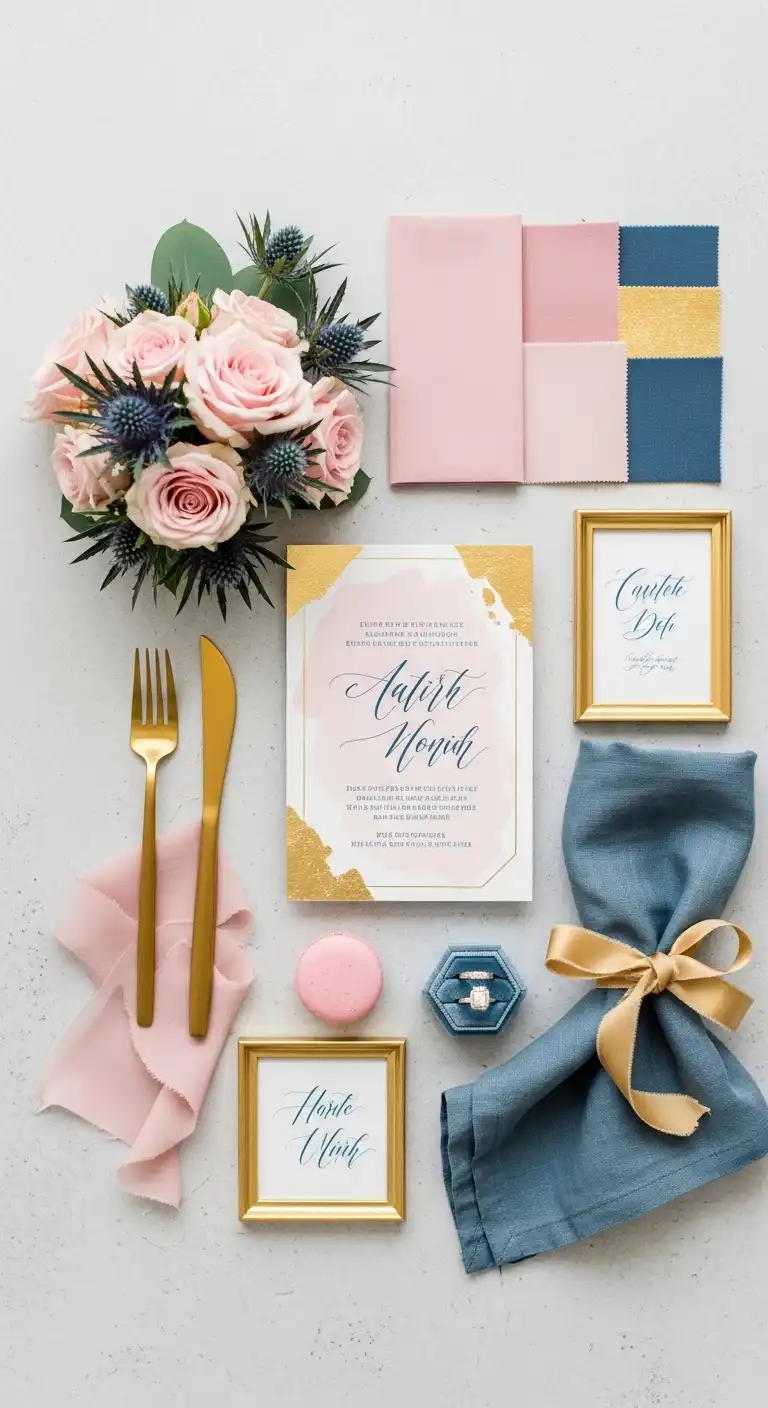
Coordinating colors across wedding invitations, décor, floral arrangements, and attire requires intentional planning and attention to detail.
Start by selecting your main palette and assigning primary and secondary colors to specific elements, ensuring consistency without monotony.
Consider texture and material as part of the palette; fabrics, metals, and florals reflect light differently, altering how colors appear throughout the day.
Small accent colors can highlight key areas, such as signage, ribbons, or candles, bringing balance and cohesion across the entire celebration.
Regularly test combinations in sample lighting to confirm the overall effect, guaranteeing that colors harmonize beautifully in photos and with the venue’s natural aesthetic.
How to Make Your Wedding Color Palette Unique and Personal
Adding personal touches to your wedding color palette ensures the celebration reflects your story and tastes, rather than following trends blindly.
Consider meaningful colors from family heritage, favorite shades, or symbolic hues that reflect your relationship or culture.
Experiment with accent colors, patterns, or layered tones to create depth and visual interest without overwhelming the main palette.
Incorporate color in unexpected ways, such as signage, favors, or floral arrangements, giving guests a unique experience that feels intentional.
The goal is to design a cohesive and memorable theme that resonates with both the couple and attendees, leaving a lasting impression on everyone present.
Final Wrap-Up
Selecting the perfect wedding color palette is one of the most important steps in planning a visually cohesive and memorable celebration.
From bold combinations like navy and coral to soft, romantic palettes like blush and sage, each option carries its own mood and unique appeal.
Careful consideration of venue, season, lighting, and personal style ensures that colors complement every wedding element, from attire to décor.
Adding thoughtful accents, textures, and personal touches allows your chosen colors to reflect your story while maintaining harmony across the celebration.
Ultimately, exploring creativity while keeping cohesion in mind ensures your wedding colors will leave a lasting impression for years to come.


