

What is Wedding Food and How Important is It?
When planning a wedding, one of the most significant yet sometimes overlooked elements is the food. You might ask yourself, what is wedding food? or how important is food at a wedding?
The answer goes beyond simply feeding guests—it’s about creating an experience, reflecting culture, and bringing people together in celebration.
In this blog post, we’ll explore what wedding food really means, discuss the variety of wedding foods commonly served, and delve into the significance of food at weddings.
We’ll also highlight traditional wedding food and typical wedding food choices, with a special look at Italian wedding food as an example of cuisine that adds unique flavor and meaning to the celebration.
What is Wedding Food?
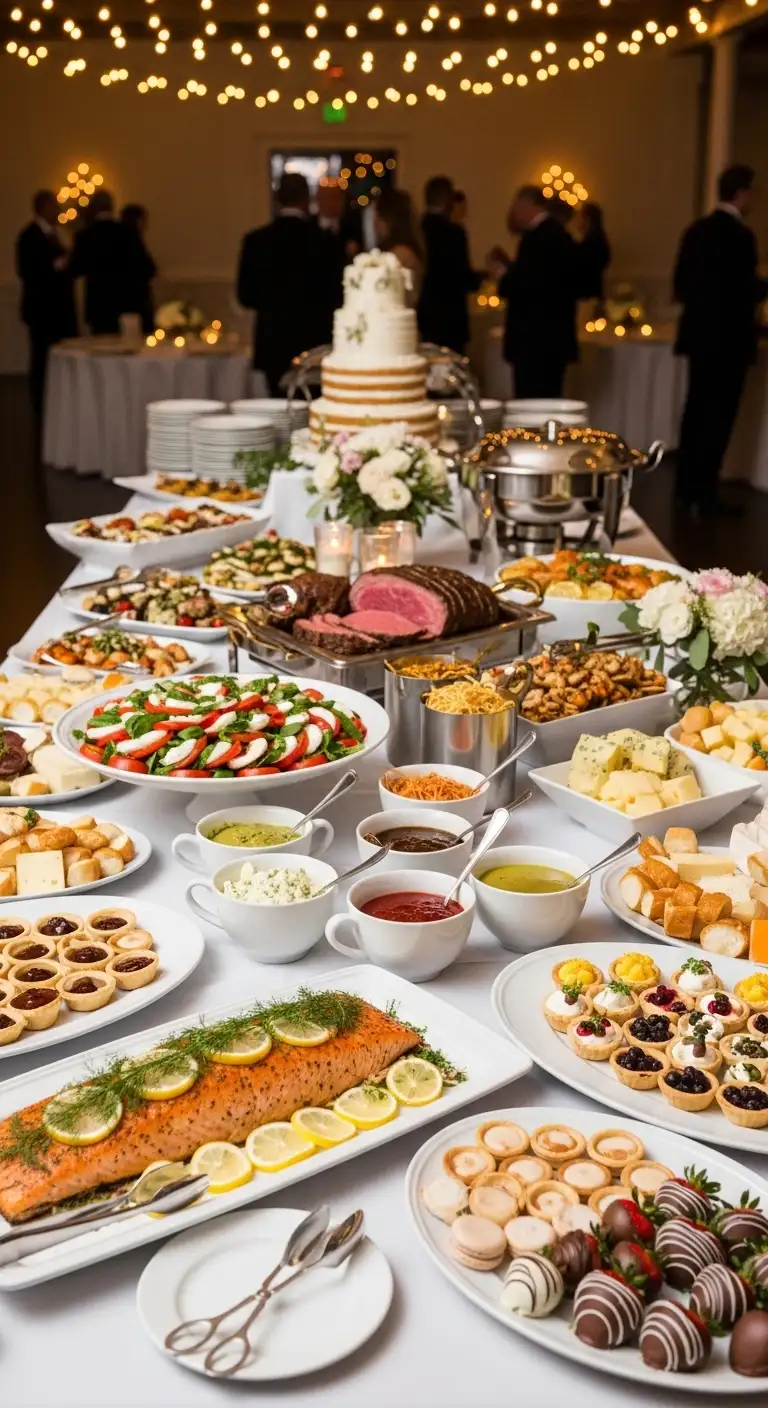
What is wedding food? At its core, wedding food refers to the meals and refreshments served to guests during a wedding celebration.
This can include everything from appetizers and cocktails during the cocktail hour, to the main course at the reception, and even late-night snacks.
Wedding food is carefully selected to suit the couple’s tastes, cultural traditions, and the overall style of the wedding.
It often reflects the theme, location, and season, making it an integral part of the event’s atmosphere.
What Are Wedding Foods? A Variety of Choices
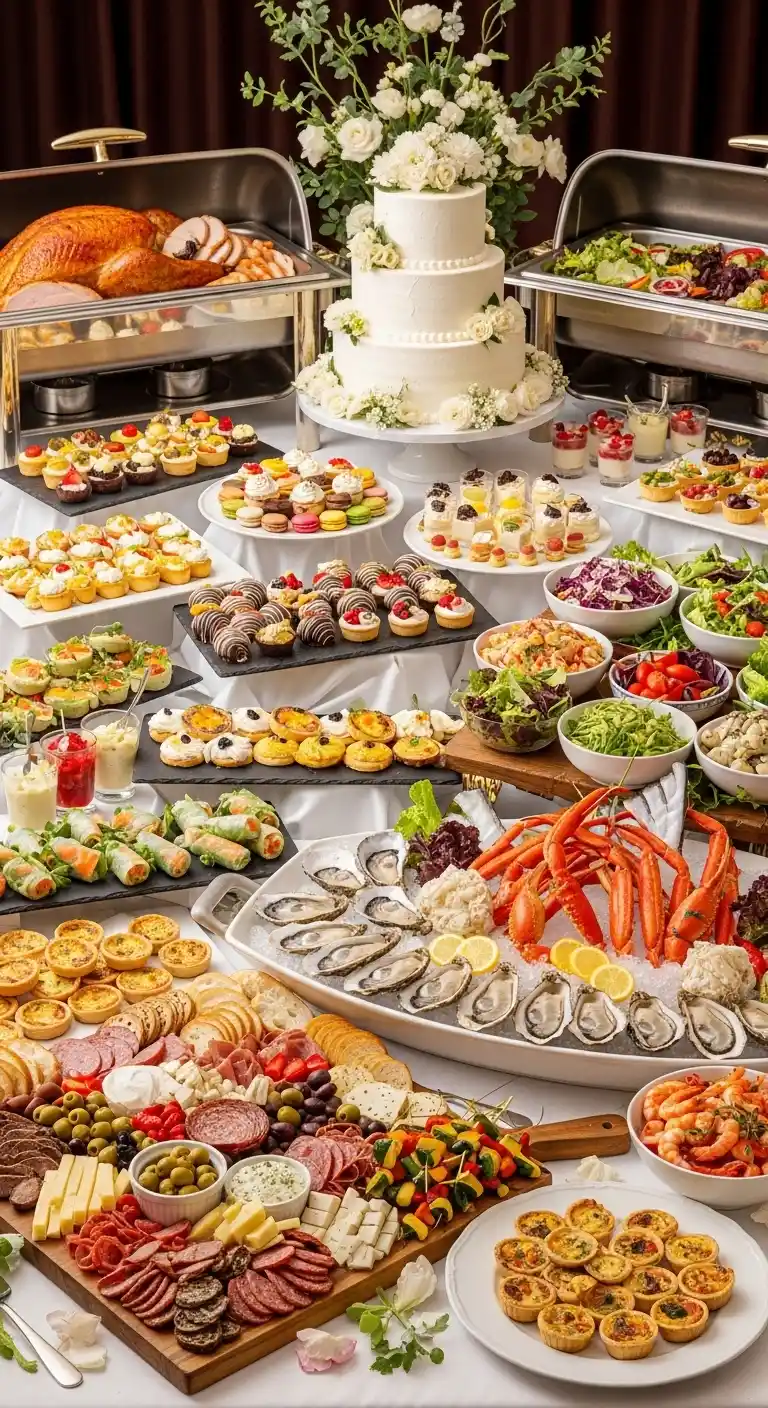
Wedding foods vary widely depending on factors like geography, culture, and personal preferences. Here are some common types of wedding foods you might encounter:
- Appetizers and Hors d’oeuvres: Small bites served during cocktail hour to keep guests satisfied before the main meal.
- Salads and Soups: Light starters that prepare the palate.
- Main Courses: Often the highlight, including options like beef, chicken, fish, or vegetarian dishes.
- Side Dishes: Complementing the main course with vegetables, potatoes, rice, or pasta.
- Desserts: Beyond the wedding cake, desserts can include pastries, candies, or fruit.
- Late-Night Snacks: For guests who stay late, items like sliders, fries, or pizza can be served.
How Important is Food at a Wedding?
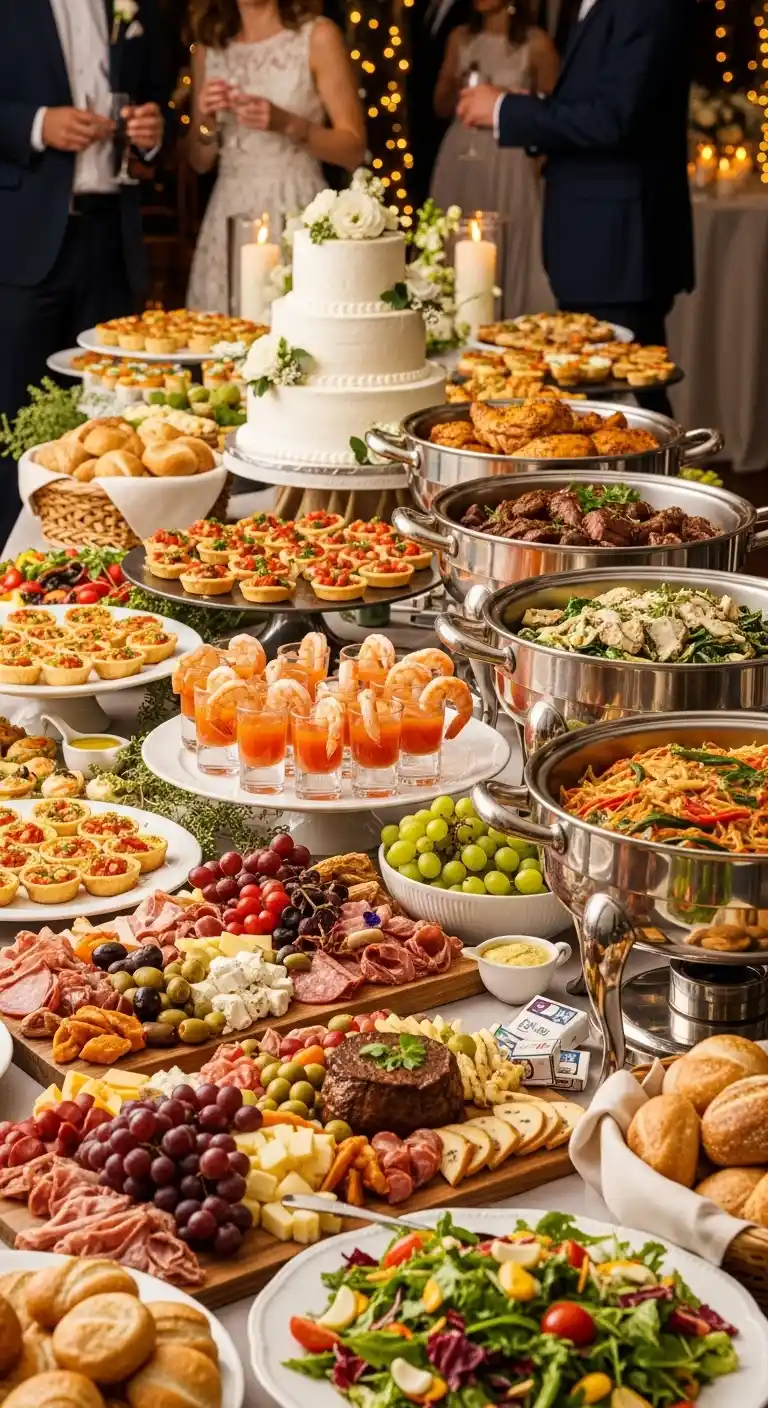
The question how important is food at a wedding? cannot be overstated. Food is often one of the most memorable parts of a wedding and can greatly influence guests’ overall experience.
Food as a Social Experience
Sharing a meal fosters connection and celebration. It brings people together, encourages conversation, and enhances the festive atmosphere.
Reflecting Culture and Personality
Food choices can showcase the couple’s heritage, favorite flavors, or even their love story. Thoughtful menus add authenticity and meaning to the event.
Catering to Guests’ Needs
Providing delicious, well-prepared food ensures guests feel valued and comfortable. Considering dietary restrictions and preferences shows care and inclusivity.
What is Traditional Wedding Food?
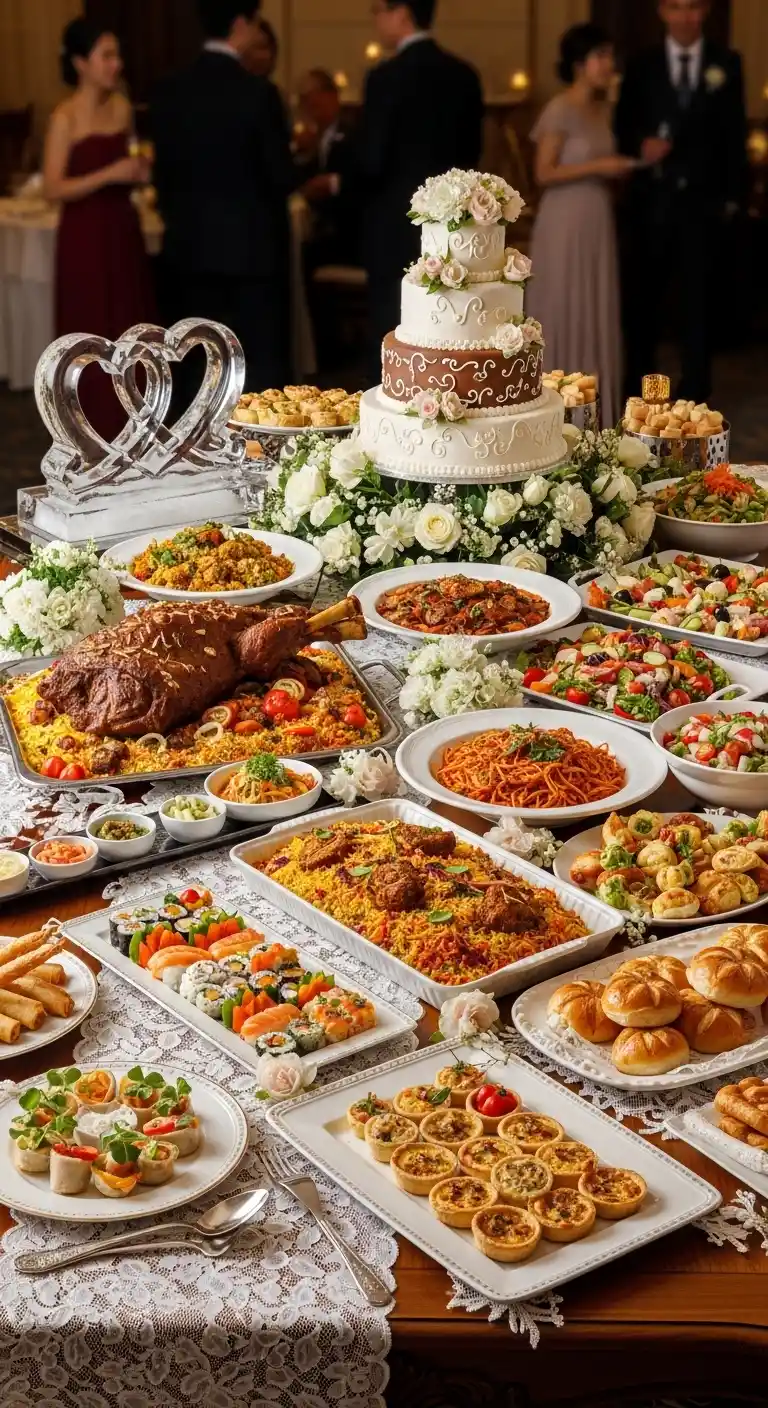
What is traditional wedding food? varies by culture, but there are some common themes worldwide:
- Roast Meats: Beef, lamb, or poultry are often centerpieces.
- Rice or Grain Dishes: Symbolizing prosperity and fertility in many cultures.
- Breads and Rolls: Accompanying the meal and symbolizing hospitality.
- Seasonal Vegetables: Fresh and local produce enhances the menu.
- Wedding Cake: A universal tradition symbolizing sweetness and unity.
For example, in many Western weddings, a plated dinner with a meat entrée, vegetables, and a wedding cake is standard.
What is Typical Wedding Food?
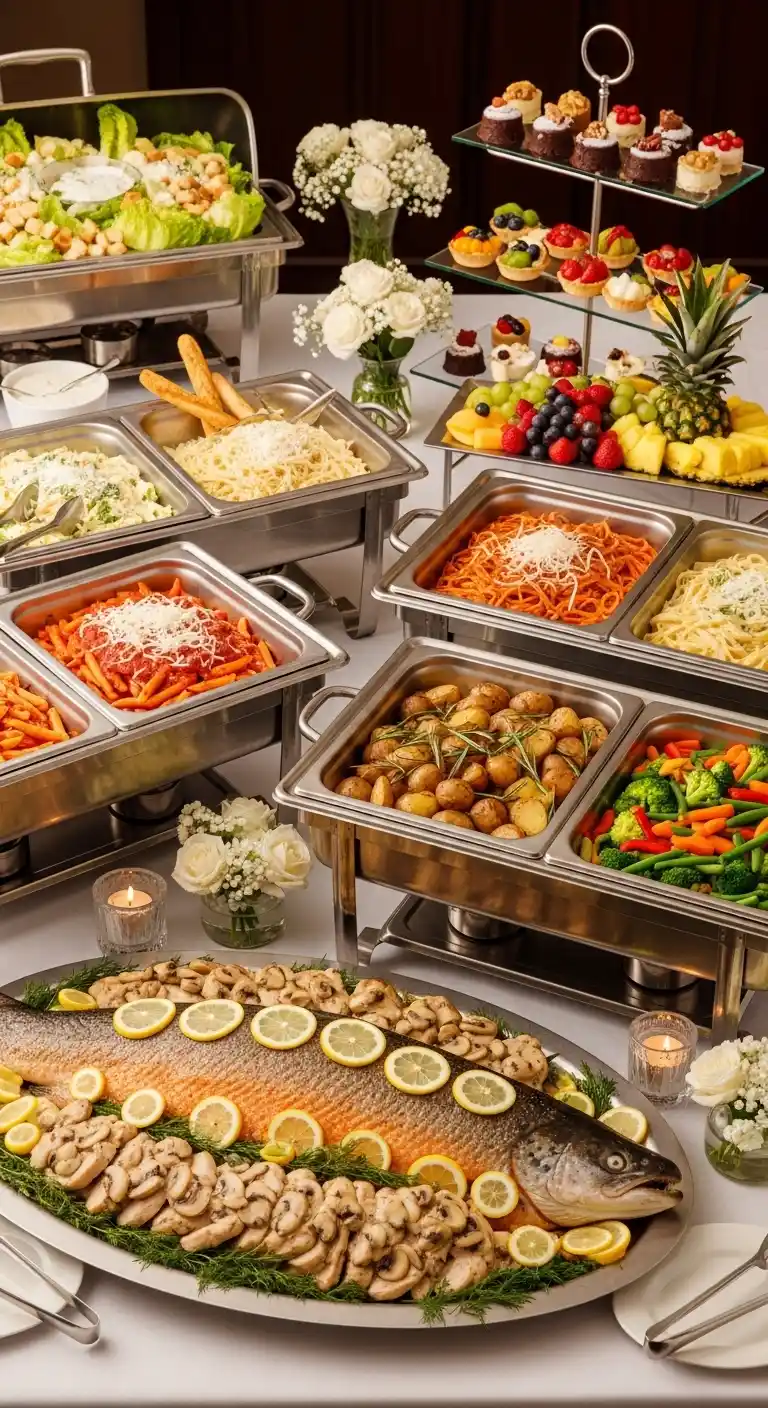
What is typical wedding food depends on the formality and region but often includes crowd-pleasers like:
- Chicken breast or beef tenderloin as the main protein.
- Mashed potatoes or roasted vegetables as sides.
- A salad course or soup starter.
- A tiered wedding cake or dessert buffet.
Buffet-style meals are also common, offering guests a choice and a more casual dining experience.
What is Common Wedding Food?
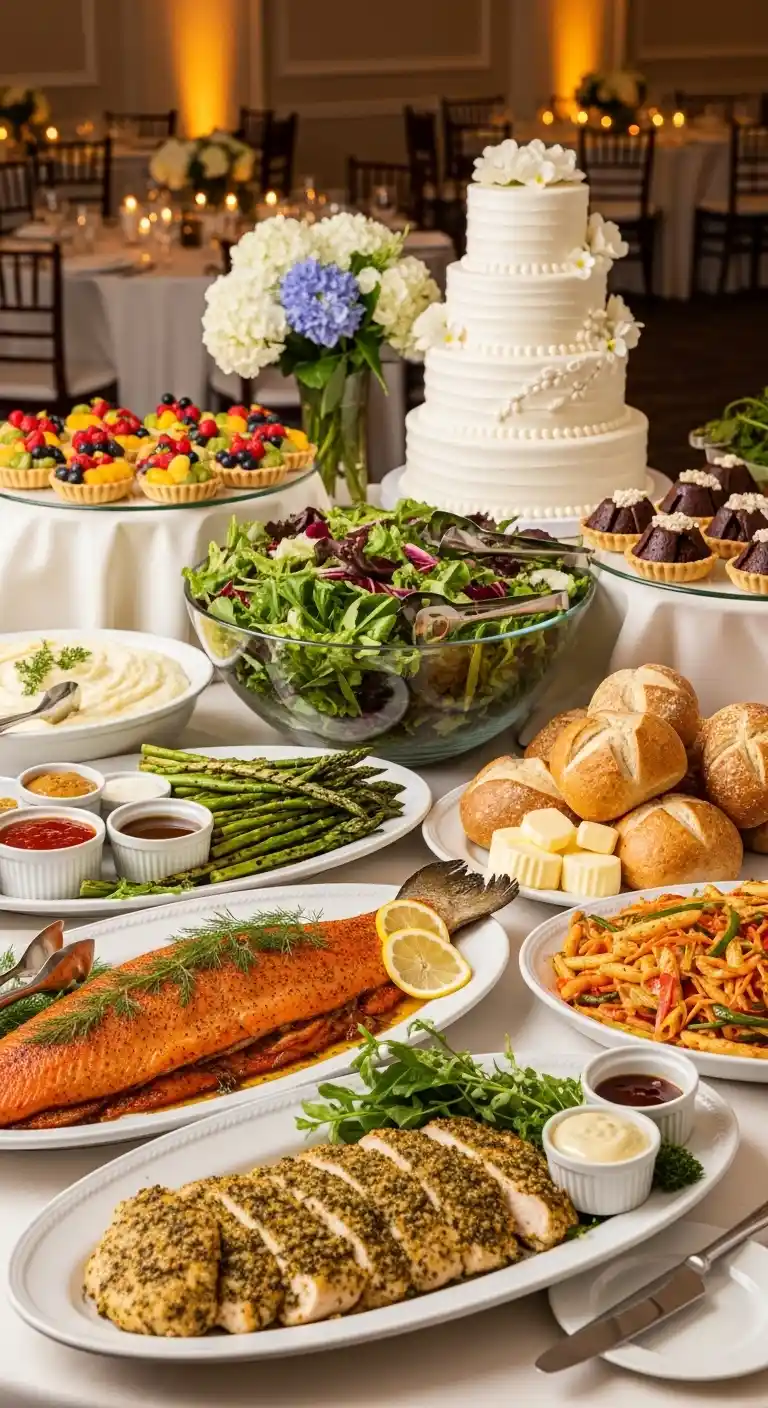
Some dishes have become staples at weddings because they appeal to a wide audience and are relatively easy to prepare and serve. Common wedding food includes:
- Chicken: Versatile and generally liked by many.
- Beef: Often served as steak, roast, or brisket.
- Pasta: Especially in Italian-themed weddings.
- Salads: Fresh and light options.
- Desserts: Wedding cake, cupcakes, or assorted sweets.
Italian Wedding Food: A Delicious Example
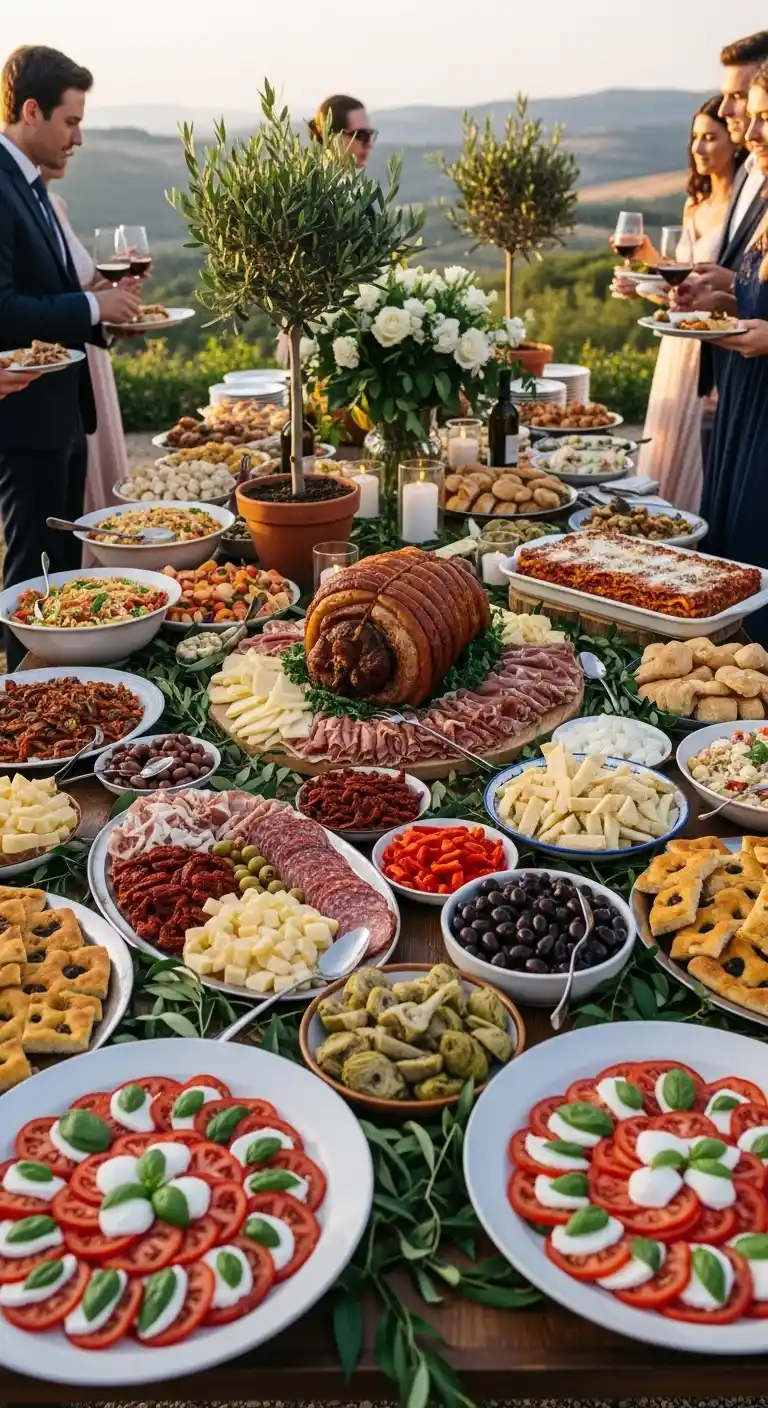
To illustrate how cuisine can shape wedding menus, let’s look at what is Italian wedding food.
Italian weddings often feature rich, flavorful dishes that emphasize family and tradition:
- Antipasti: A selection of cured meats, cheeses, olives, and bruschetta to start.
- Pasta: Classic dishes like lasagna, tortellini in broth, or spaghetti with fresh tomato sauce.
- Main Courses: Roasted meats such as lamb or veal, often accompanied by seasonal vegetables.
- Bread: Freshly baked focaccia or ciabatta.
- Desserts: Tiramisu, cannoli, or panna cotta alongside or instead of wedding cake.
Italian wedding food is known for its warmth and communal style, often served family-style to encourage sharing and conversation.
Final Thoughts
Understanding what is wedding food and its importance helps couples create a memorable and meaningful wedding experience.
Whether you choose traditional dishes, typical crowd-pleasers, or cuisine inspired by your heritage like Italian wedding food, the right menu can elevate your celebration.
Food is more than sustenance at a wedding—it’s a way to connect, honor traditions, and delight your guests. Thoughtful planning around your wedding food ensures everyone leaves with happy hearts and full plates.


