

Why Are Engagement Rings So Expensive?
Engagement rings have long been a symbol of love, commitment, and the promise of a future together. Yet, for many people, the price tag attached to these rings can feel overwhelming—even shocking.
Whether you’re shopping for one or simply curious, it’s natural to wonder: why are engagement rings so expensive?
The answer isn’t just about the sparkle. The cost of engagement rings is influenced by a mix of materials, craftsmanship, marketing, tradition, and even psychology.
In this detailed guide, we’ll break down all the factors that contribute to the high price of engagement rings so you can better understand what you’re really paying for.
Cost of Precious Materials
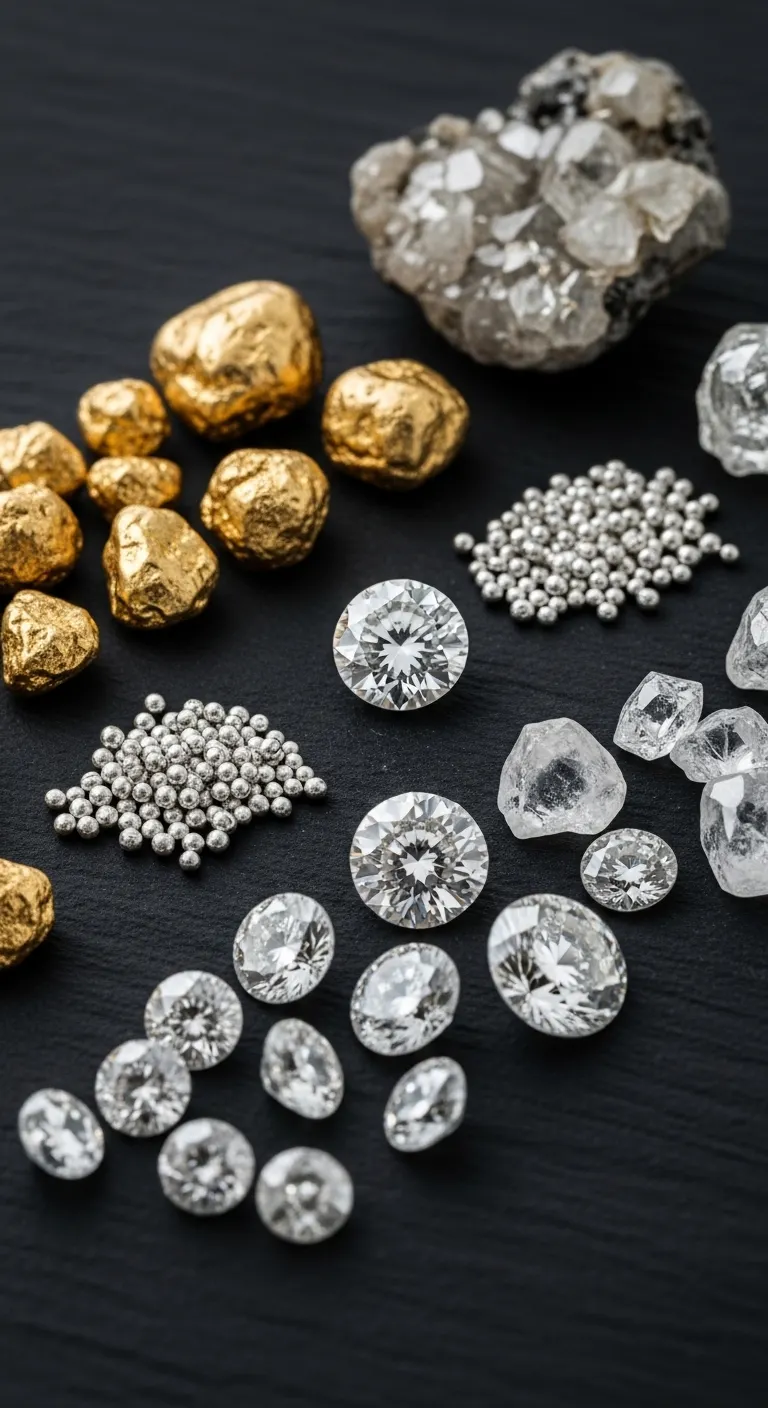
At the heart of every engagement ring is its material—most commonly gold, platinum, and diamonds. These raw materials alone account for a large portion of the price.
Diamonds: Rarity and Demand
Diamonds are often seen as the centerpiece of engagement rings, and their price is driven by both real and perceived rarity.
While diamonds are not as scarce as people might think, the supply is tightly controlled by mining companies, which helps maintain high prices.
Additionally, diamonds are valued based on the “4 Cs”:
- Cut
- Color
- Clarity
- Carat weight
Each of these factors significantly impacts the price. A high-quality diamond with excellent cut and clarity can cost several times more than a lower-grade stone of the same size.
Precious Metals
The band of the ring also contributes to the overall cost. Common choices include:
- Gold (yellow, white, or rose)
- Platinum
- Palladium
Platinum, for example, is rarer and more durable than gold, making it more expensive. The purity of the metal (e.g., 18K vs. 14K gold) also affects the price.
Craftsmanship and Design
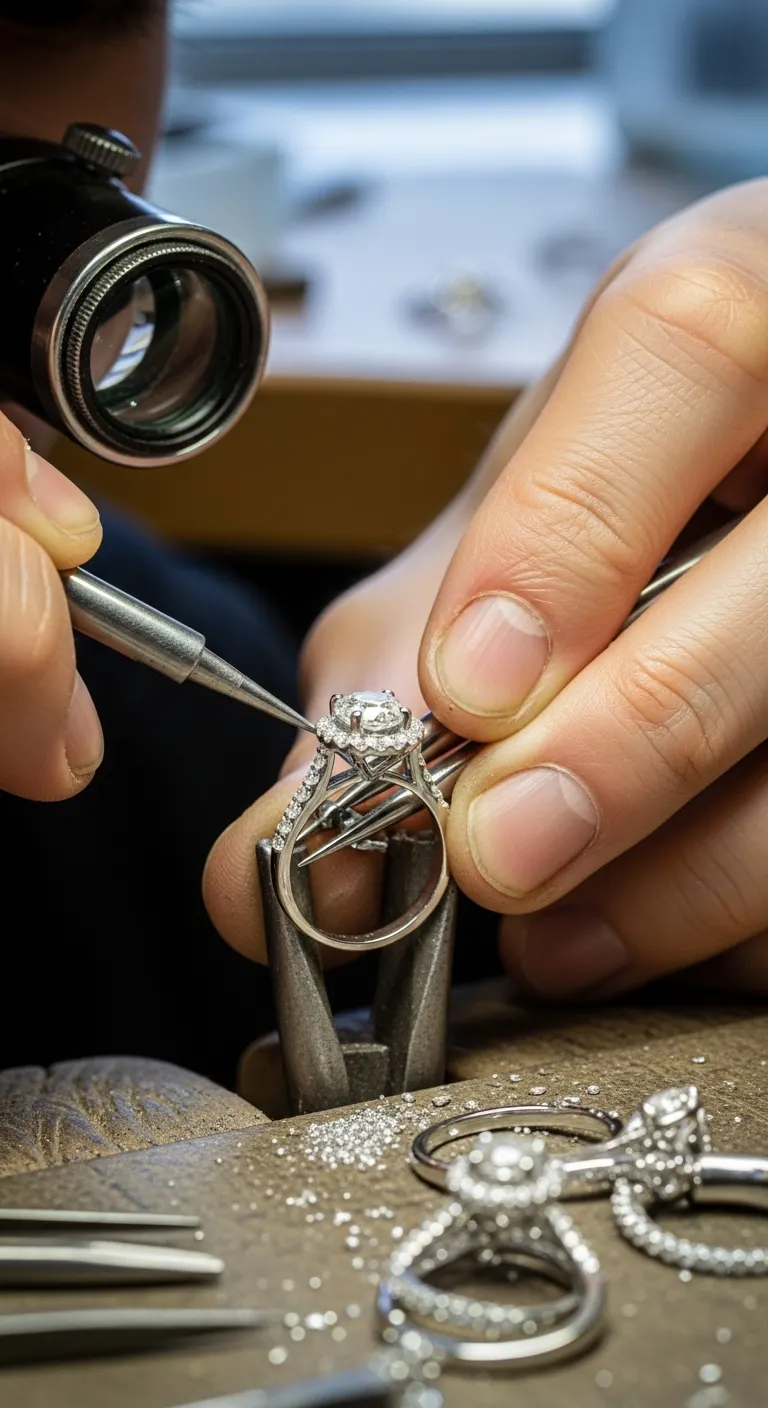
Engagement rings are not just products—they are finely crafted pieces of jewelry.
Skilled Labor
Creating a high-quality ring requires skilled artisans who design, mold, polish, and set the stones. This level of craftsmanship takes years to master, and the labor cost is reflected in the final price.
Customization
Many people opt for custom engagement rings to make the piece unique. Custom designs involve:
- Personalized sketches or CAD models
- Hand-setting stones
- Multiple revisions
All of these steps increase the cost compared to mass-produced rings.
Branding and Retail Markup
One of the biggest (and often overlooked) reasons engagement rings are expensive is branding.
Luxury Branding
Well-known jewelry brands charge a premium for their name. When you buy from a luxury brand, you’re not just paying for the ring—you’re paying for:
- Brand reputation
- Packaging and presentation
- In-store experience
In some cases, the markup can be substantial compared to non-branded alternatives.
Retail Overheads
Physical jewelry stores have significant costs, including:
- Rent in prime locations
- Staff salaries
- Security systems
These expenses are built into the price of each ring.
Marketing and Social Influence
The idea that an engagement ring should be expensive didn’t happen by accident.
The “Three Months’ Salary” Rule
This widely known guideline—that you should spend two or three months’ salary on an engagement ring—was actually popularized by marketing campaigns in the 20th century.
This concept created a social expectation that directly influences how much people are willing to spend.
Emotional Value
Engagement rings are tied to one of the most emotional moments in a person’s life. Because of this:
- Buyers are less price-sensitive
- Sellers can charge higher prices
- People associate higher cost with deeper love or commitment
Supply Chain and Distribution
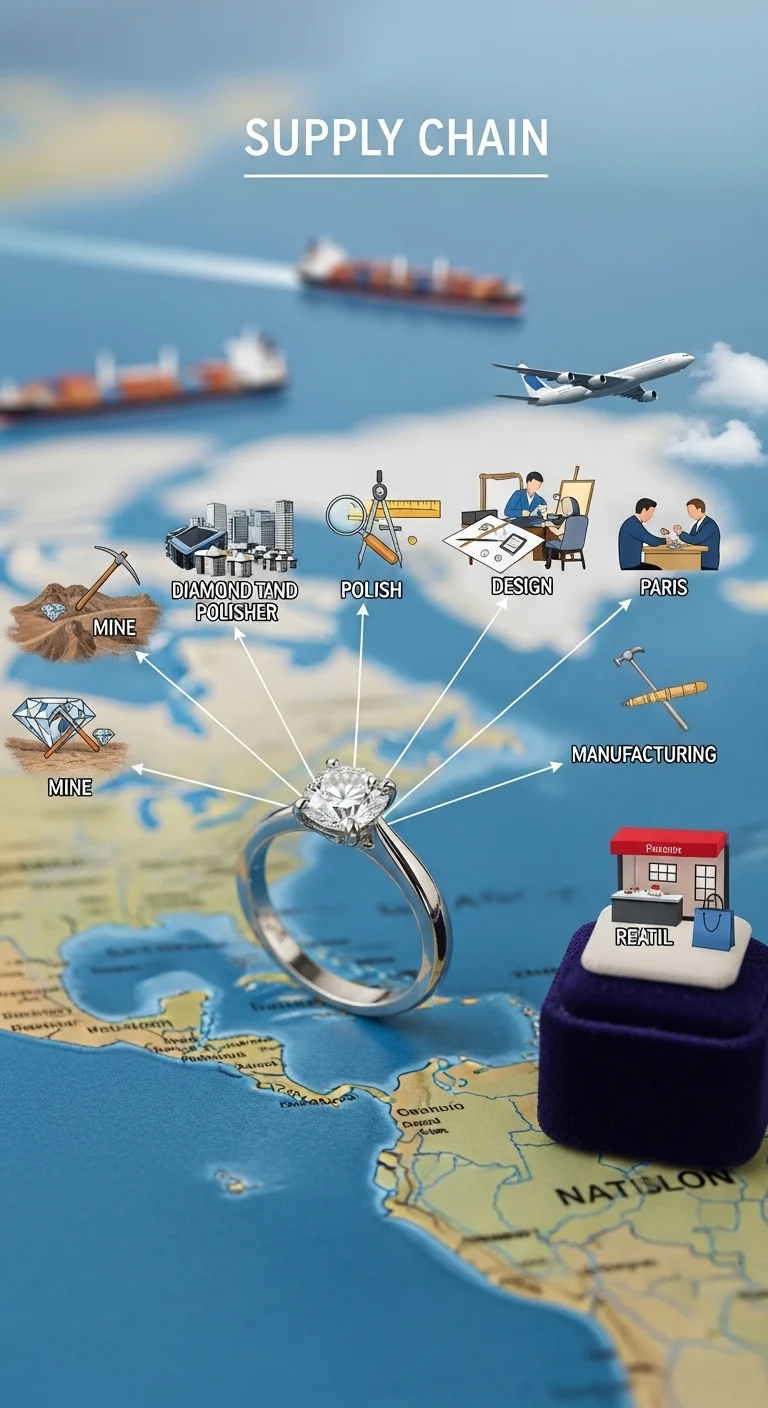
Before a ring reaches a customer, it goes through a long supply chain.
Diamond Mining and Processing
The journey of a diamond includes:
- Mining
- Sorting and grading
- Cutting and polishing
- Distribution to wholesalers
Each step adds cost.
Middlemen
Between the mine and the retail store, there may be multiple intermediaries:
- Exporters
- Importers
- Wholesalers
Each takes a margin, increasing the final price.
Certification and Quality Assurance
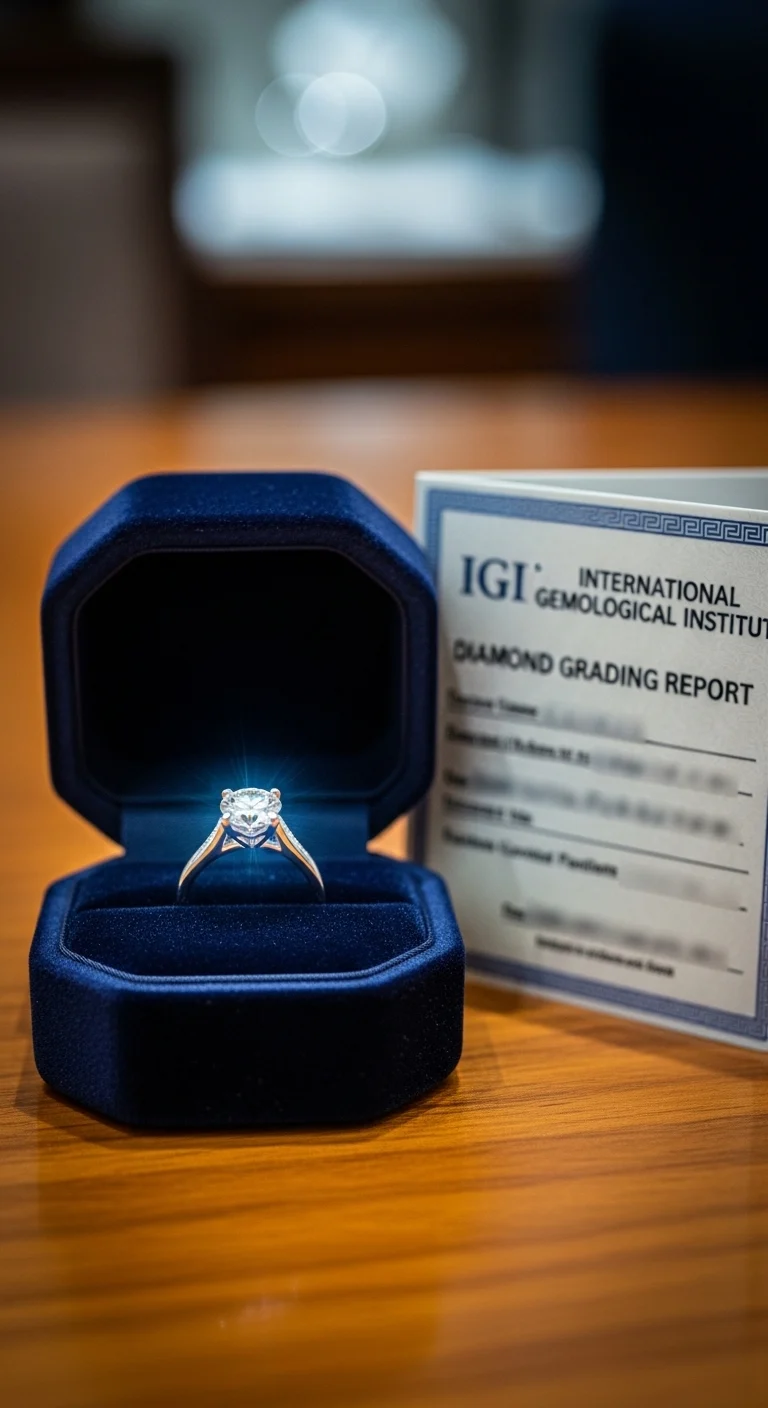
Most diamonds come with certification from gemological labs, which verify their authenticity and quality.
Why Certification Matters
Certification ensures:
- You’re getting what you paid for
- The diamond’s characteristics are accurately graded
However, this process adds to the overall cost of the ring.
Insurance and Risk Factors
Diamonds and precious metals are high-value items, which means there are risks involved in their production and sale.
Security Costs
Jewelry businesses invest heavily in:
- Secure transportation
- Vault storage
- Insurance policies
These costs are indirectly passed on to the consumer.
Cultural and Social Expectations
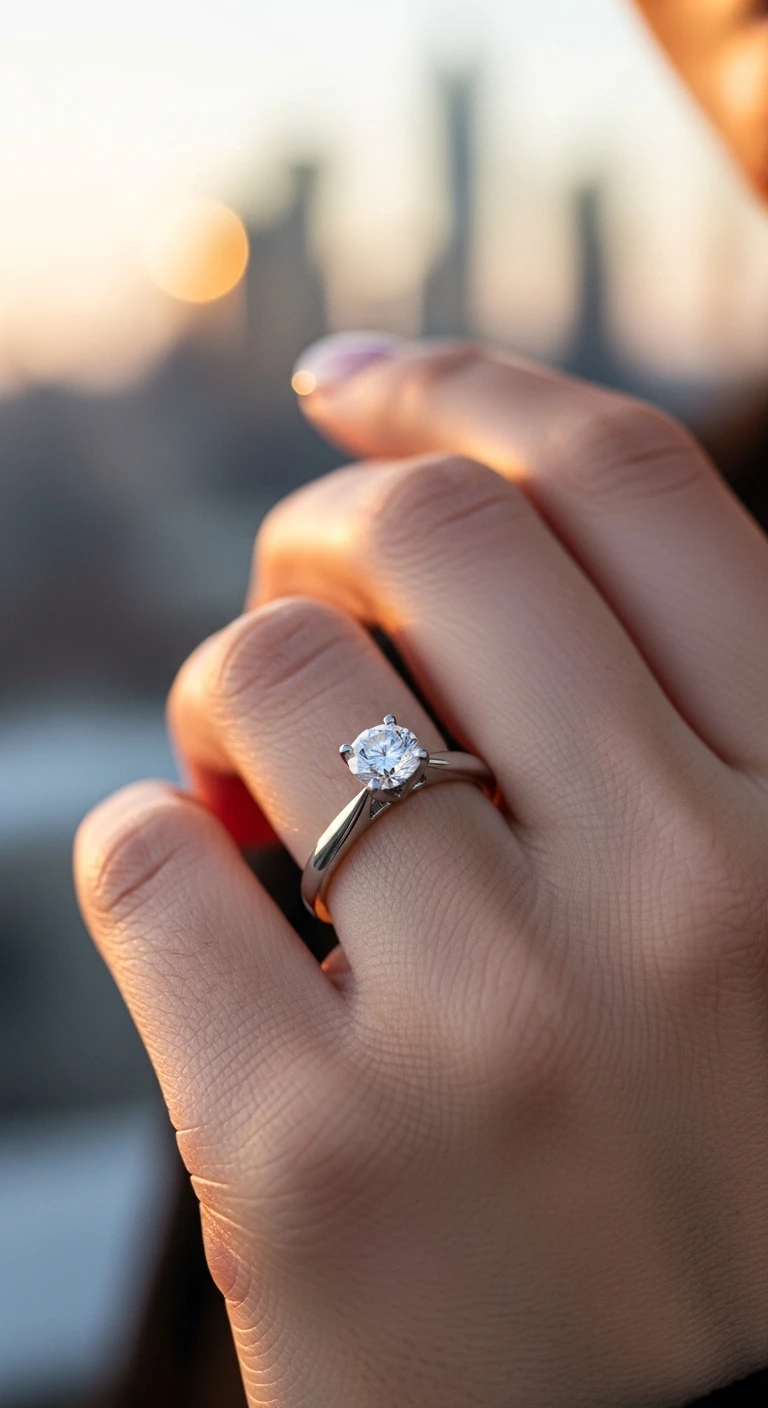
Engagement rings carry deep cultural significance, especially in many Western and modern societies.
Symbolism
The ring represents:
- Eternal love (the circular shape)
- Commitment and exclusivity
Because of this symbolism, people are often willing to spend more to ensure the ring feels “special.”
Peer Pressure
Social media and societal norms can influence expectations:
- Seeing large, expensive rings online
- Comparing with friends or peers
This creates pressure to spend more than originally planned.
Alternatives and Changing Trends
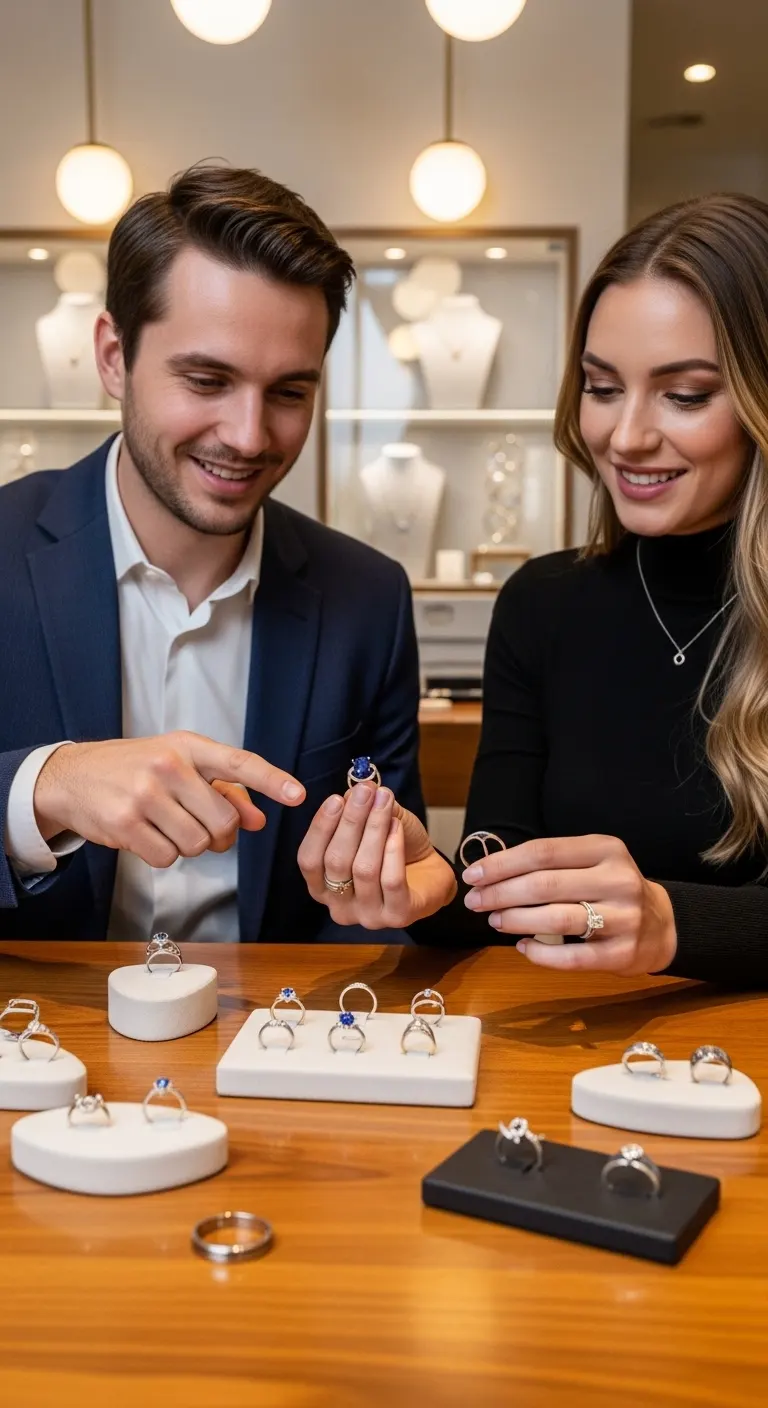
While traditional engagement rings remain expensive, modern buyers are exploring alternatives.
Lab-Grown Diamonds
Lab-grown diamonds are chemically identical to natural diamonds but cost significantly less. They offer:
- Lower prices
- Ethical sourcing
- Environmental benefits
Alternative Gemstones
Some people choose stones like:
- Moissanite
- Sapphire
- Emerald
These options can be more affordable while still offering beauty and uniqueness.
Minimalist Designs
Simple rings with smaller stones or unique designs are becoming more popular, especially among younger buyers who prioritize:
- Personal style
- Budget-conscious decisions
Are Engagement Rings Worth the Price?
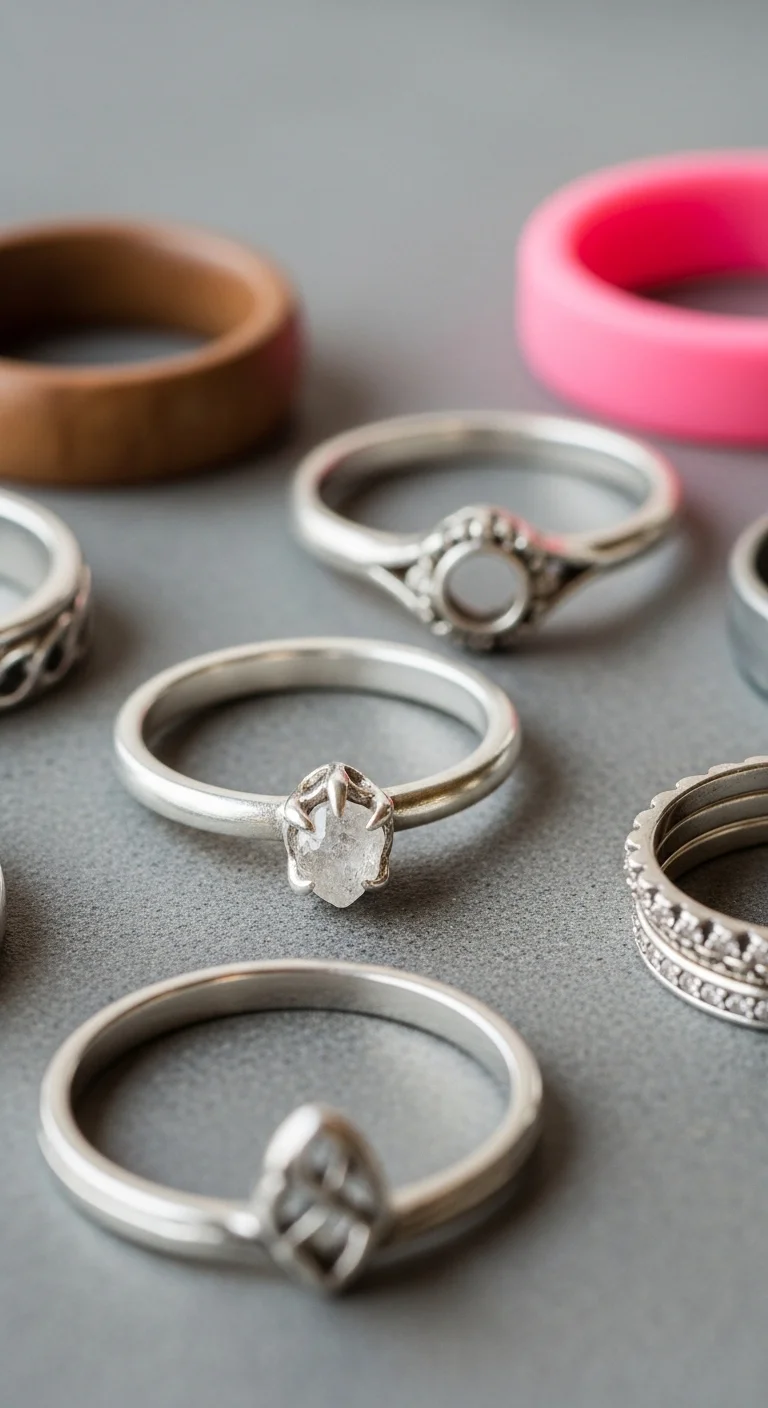
This ultimately depends on your perspective.
Emotional vs. Financial Value
For many, the emotional significance outweighs the cost. The ring becomes a lifelong symbol of a meaningful moment.
However, from a purely financial standpoint:
- Engagement rings do not typically appreciate in value
- Resale prices are often much lower than the original purchase price
Personal Priorities
What matters most is aligning the purchase with your values:
- Do you prioritize tradition?
- Are you focused on budget and practicality?
- Do you want something unique and meaningful?
Tips for Buying an Engagement Ring Smartly
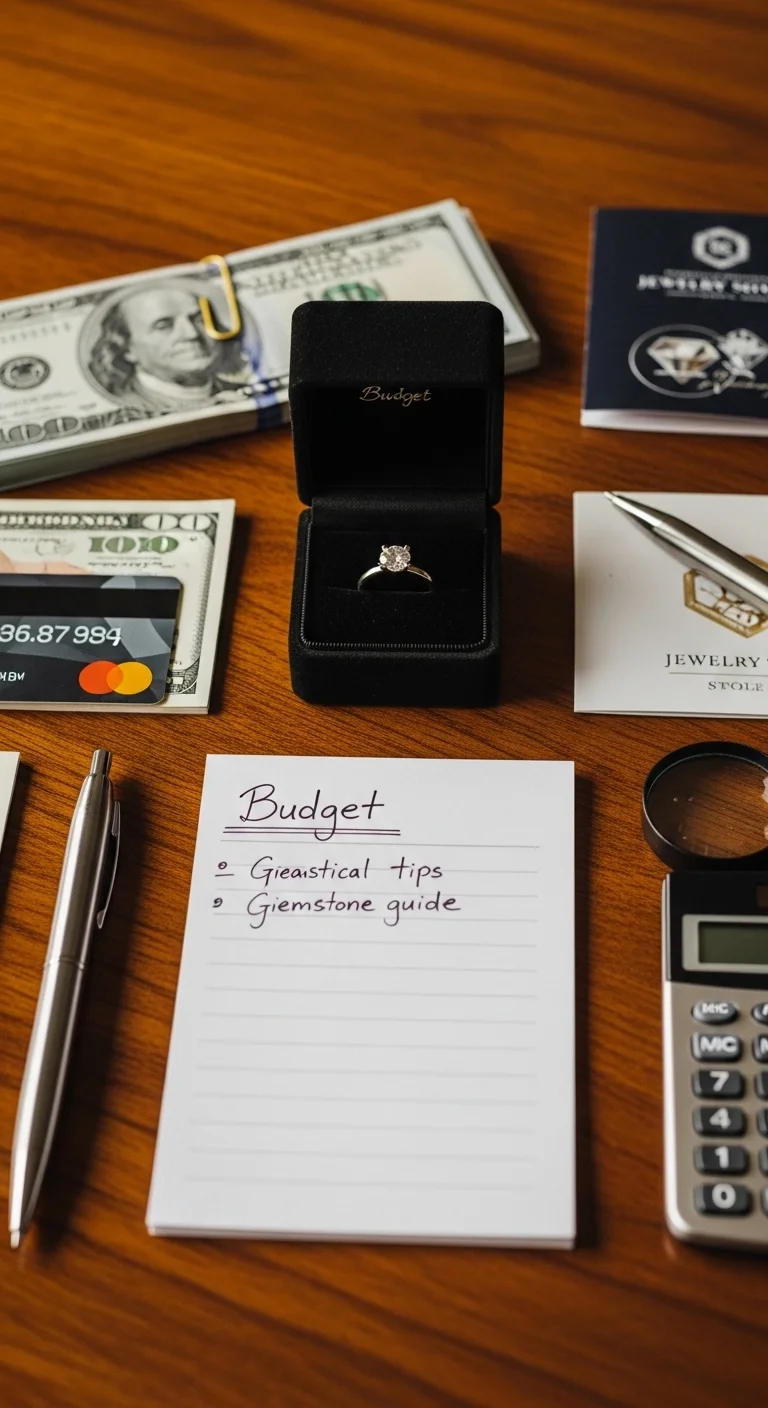
If you’re planning to buy an engagement ring, here are some practical tips to help you make a smart decision:
Set a Realistic Budget
Ignore outdated rules about spending a certain percentage of your salary. Choose a budget that feels comfortable for you.
Focus on What Matters
Not all of the 4 Cs are equally important. For example:
- A slightly lower clarity may not be visible to the naked eye
- A well-cut diamond often looks more brilliant than a larger but poorly cut one
Consider Alternatives
Explore:
- Lab-grown diamonds
- Different gemstones
- Vintage or second-hand rings
These options can offer better value for money.
Shop Around
Don’t settle for the first ring you see. Compare:
- Prices
- Quality
- Reviews
Online retailers often offer better prices than traditional stores.
Final Thoughts
Engagement rings are expensive for a variety of reasons, from the cost of materials and craftsmanship to marketing strategies and cultural expectations.
While the high price tag can feel intimidating, understanding what goes into that cost empowers you to make smarter, more informed decisions.
At the end of the day, the true value of an engagement ring isn’t measured in carats or currency—it’s measured in the meaning it holds for you and your partner.
Whether you choose a traditional diamond ring or a more affordable alternative, what matters most is the commitment it represents—not the price you paid for it.


